
-
Deload Weeks and Recovery Phases for Powerlifting
Deload weeks and recovery phases are critical components of a powerlifting program. These periods are designed to mitigate fatigue, promote recovery, and reduce the risk of injury, ensuring that lifters can train consistently and make continuous progress over the long term. Understanding how to implement these strategies effectively can make a significant difference in your…
-
Peaking and Tapering Strategies for Powerlifting
Whether you’re preparing for your first meet or aiming to set a new personal record, mastering peaking and tapering can make a significant difference in your performance. These strategies involve carefully managing training intensity, volume, and recovery to ensure you reach your peak strength and readiness on competition day. Peaking for Powerlifting Peaking involves a…
-
Pre-Competition Phases for Powerlifting
The pre-competition phase is a critical period for powerlifters as they transition from general physical preparation to training that is specifically tailored to the demands of competition. This phase focuses on maximizing strength, honing technique, and ensuring the lifter is in peak condition for competition day. By understanding and implementing effective strategies during this phase,…
-
Off-Season Training for Powerlifting
Off-season training is a crucial period for powerlifters, providing the foundation for future performance gains. This phase focuses on general physical preparedness (GPP), increasing muscle mass, improving technique, and recovering from the stresses of previous competitions. By addressing these key areas, lifters can build a solid base that will support more intense and specific training…
-
Understanding Exercise Selection and Variations for Powerlifting
Choosing the right exercises and incorporating variations is essential for targeting specific muscle groups, addressing weaknesses, and enhancing overall performance in the squat, bench press, and deadlift. Proper exercise selection can lead to significant improvements in strength, technique, and injury prevention. Exercise Selection Selecting the appropriate exercises involves understanding the primary lifts and the supporting…
-
Managing Volume, Intensity, and Frequency for Powerlifting
Balancing volume, intensity, and frequency is crucial for optimizing progress, preventing overtraining, and achieving peak performance in powerlifting. Each of these variables plays a significant role in a lifter’s training regimen, and understanding how to manipulate them can make a substantial difference in outcomes. Volume Volume refers to the total amount of weight lifted in…
-
Powerlifting Rules and Regulations
Understanding the rules and regulations of powerlifting is essential for successful competition and adherence to the sport’s standards. Here are the key areas covered by powerlifting rules: By adhering to these rules and regulations, powerlifters ensure fairness, safety, and consistency in competitions. Understanding these standards is crucial for any lifter aiming to compete and succeed…
-
Basic Principles and Terminology for Powerlifting
Powerlifting is a strength sport that revolves around three main lifts: the squat, bench press, and deadlift. Success in powerlifting not only requires brute strength but also a deep understanding of various techniques, equipment, and training methodologies. Whether you’re a seasoned powerlifter or new to the sport, mastering the terminology is crucial for effective communication,…
-
Motivation and Mindset for Armwrestling Competition
In armwrestling, as in any competitive sport, physical strength and technique are only part of the equation. A strong mindset, unwavering motivation, and mental resilience are equally crucial for success. Cultivating the right mental approach can help you stay focused, overcome challenges, and push your limits both in training and during competition. This article explores…
-
Wrist and Forearms: The Key to Armwrestling Dominance
In armwrestling, forearm and wrist strength are often the deciding factors between victory and defeat. These muscles are critical for maintaining a strong grip, controlling your opponent’s hand, and executing powerful techniques. Building forearm and wrist strength is not just about grip, it’s about creating a stable foundation that allows you to dominate your opponent…
-
Triceps: The Driving Force in Armwrestling
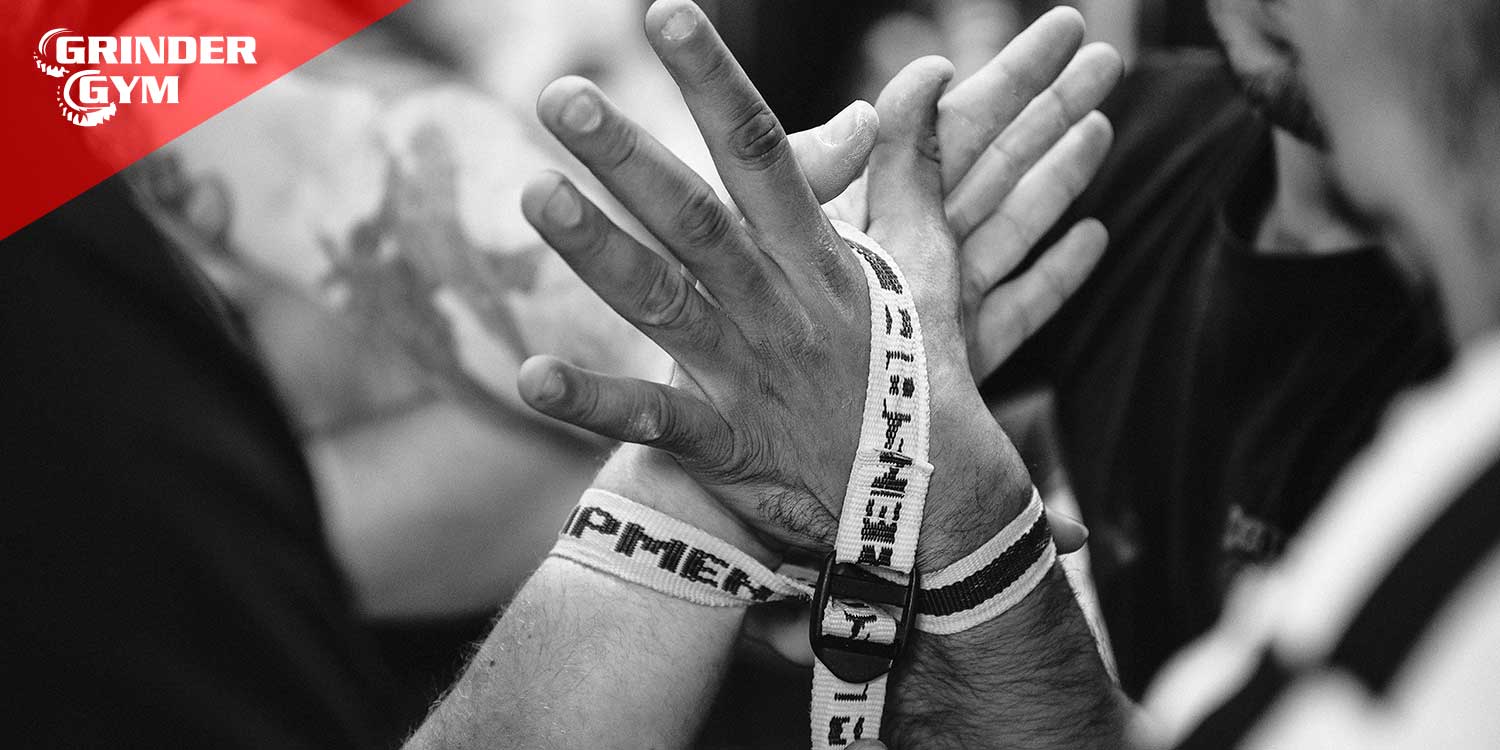
In armwrestling, the triceps are the juggernaut behind many of the sport’s most decisive moves, particularly those that involve pushing and applying downward pressure. As the primary muscles responsible for extending the elbow, the triceps are crucial for techniques like the press, where strong, explosive power can mean the difference between victory and defeat. Well-developed…
-
Back Muscles: The Powerhouse of Pulling
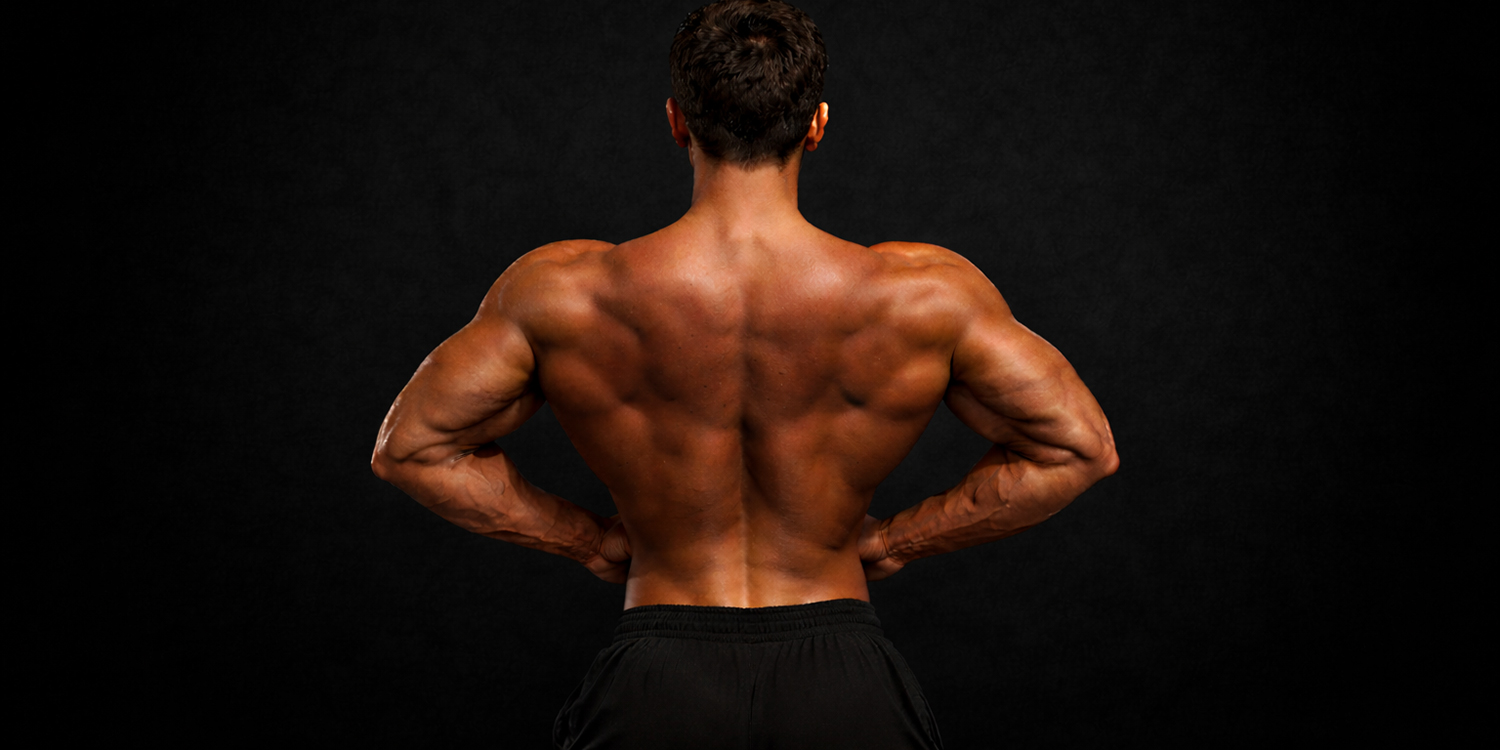
Your back is the engine in armwrestling. Most people think it’s all arms, but if your back isn’t strong, you’re not controlling anything at the table. The lats, traps, and upper back are what allow you to pull, hold position, and apply pressure. Without them, your arm becomes the weak link. If you want real…
Zero-sugar energy, BCAAs, and electrolytes to power your heaviest sessions. Shop the full REIGN Total Body Fuel lineup.
As an Amazon Associate I earn from qualifying purchases.