-
Structuring Strength Training: How to Increase Load and Volume for the Beginner
As you progress in your strength training journey, one of the key factors in continuing to build muscle and strength is learning how to effectively increase load and volume. This guide will help beginners understand the principles behind these concepts and how to apply them safely and effectively. Understanding Load and Volume What is Load?…
-
Structuring Strength Training: Upper/ Lower Splits for the Beginner
An upper/lower split is a popular training method that divides your workout routine into upper-body and lower-body sessions. This approach allows you to focus on specific muscle groups more intensely while still providing adequate recovery time between workouts. For beginners, an upper/lower split can be an effective way to build strength, muscle, and confidence. Why…
-
Structuring Strength Training: Full-Body Workouts for the Beginner
Full-body workouts are an excellent starting point for beginners in strength training. They allow you to train all major muscle groups in a single session, providing a balanced approach that builds overall strength and muscle mass. This article will guide you through the structure of a full-body workout, ensuring that you understand how to organize…
-

Maximizing Hypertrophy: How Lengthened-Phase Training and Peak Contraction Drive Mechanisms of Growth
In strength training, understanding how muscles produce force is essential for maximizing both strength and muscle growth. One of the foundational concepts that governs muscle performance is the Length-Tension Relationship, the principle that muscles generate the most force when they are near their optimal resting length. This point of greatest mechanical tension occurs when the…
-
Common Exercise Selection Mistakes
Choosing the right exercises is crucial for effective strength training, but many beginners, and even some experienced lifters, make mistakes in their exercise selection that can hinder progress or lead to injury. Understanding these common pitfalls can help you make better choices in your training routine, ensuring that you maximize your gains while minimizing risks.…
-
Machines vs. Free Weights
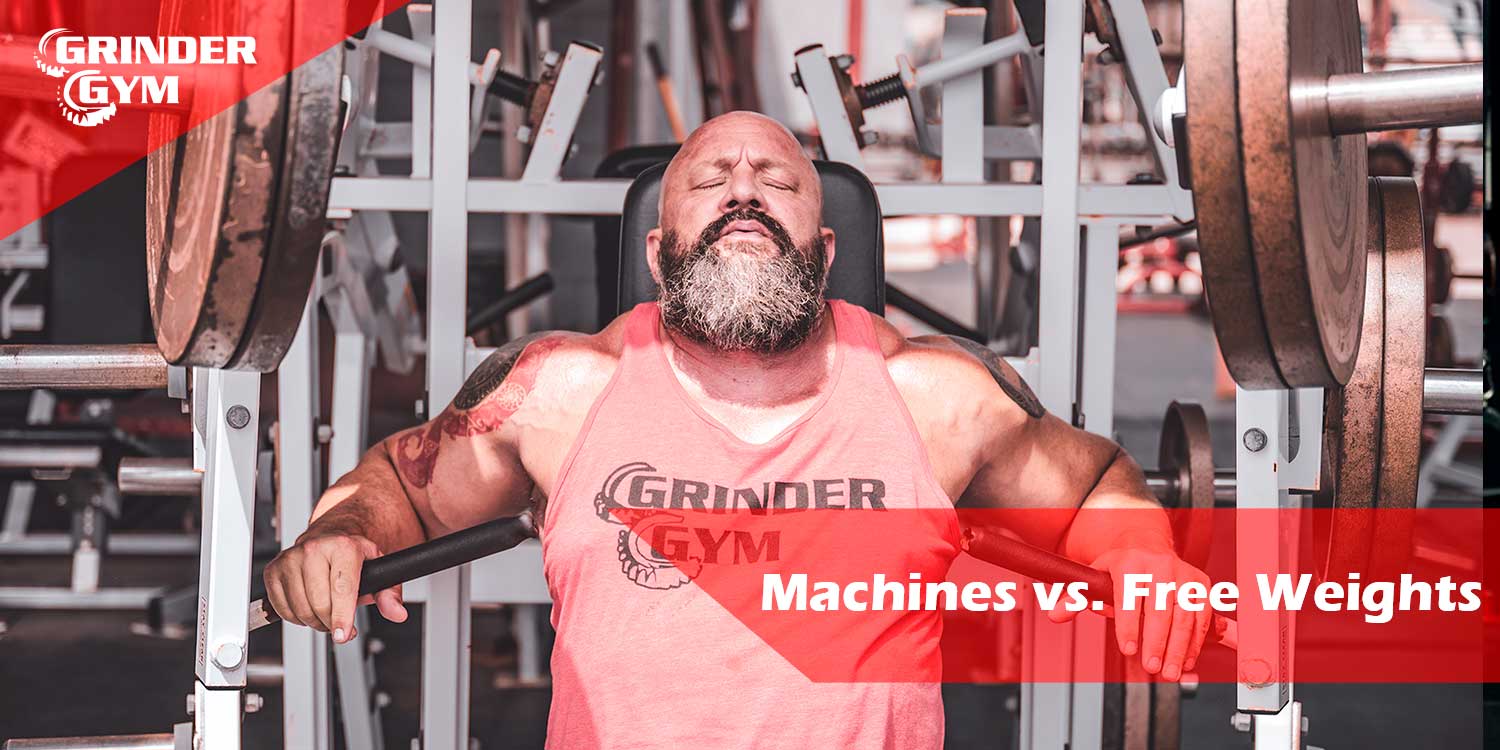
When it comes to strength training, one of the most common questions beginners ask is whether to use machines or free weights. Both options offer unique benefits and can be effective tools for building muscle and strength. Understanding the differences between machines and free weights can help you make informed decisions about which to incorporate…
-

Body Weight Exercises
Bodyweight exercises are a foundational element of strength training that can be performed anywhere, without the need for equipment. These exercises rely on your body’s weight to provide resistance, making them accessible and effective for building strength, endurance, and flexibility. In this article, we will explore the benefits of bodyweight exercises, key movements to incorporate…
-
Basic Accessory Exercises
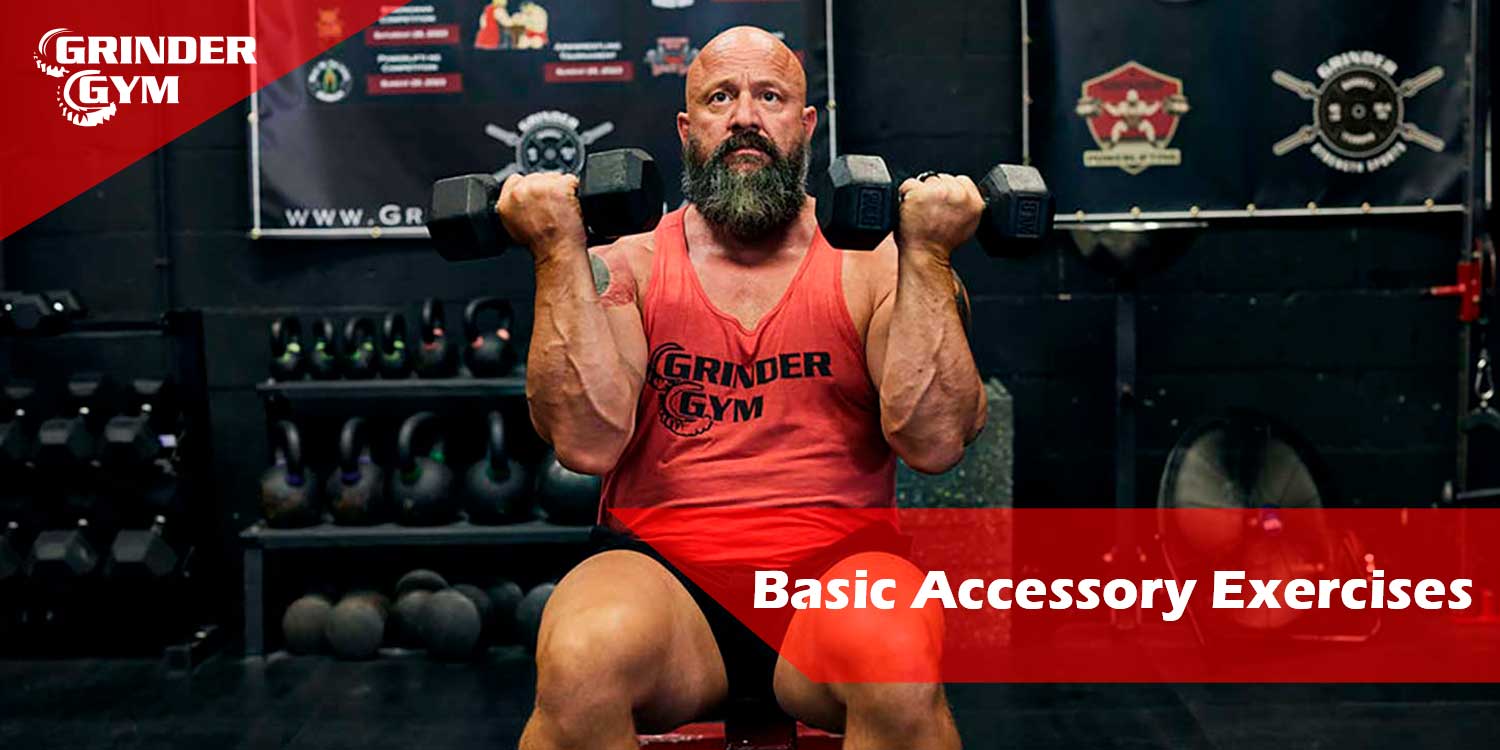
Accessory exercises play a crucial role in a well-rounded strength training program. While the primary focus of your routine should be on the essential compound movements, these accessory exercises help to target specific muscles, improve weaknesses, and add variety to your workouts. In this article, we will explore the basic accessory exercises that complement the…
-

The Big Five: Essential Compound Movements
When it comes to building strength, muscle, and overall fitness, the importance of compound movements cannot be overstated. These exercises engage multiple muscle groups and joints simultaneously, making them efficient and effective. In this article, we’ll explore the “Big Five” essential compound movements that should form the foundation of any strength training program. What Are…
-
Mechanical Tension: Key to Muscle Growth
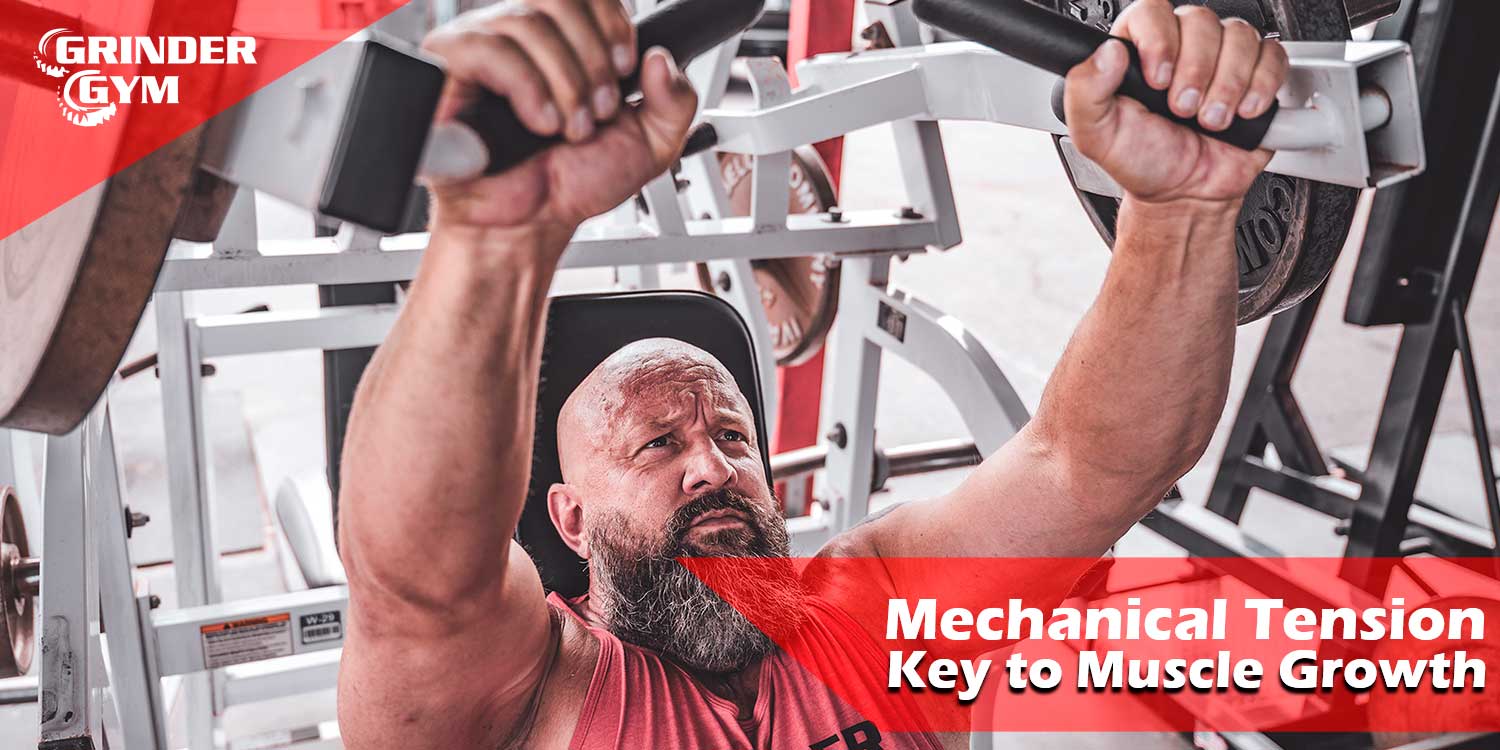
Mechanical tension is one of the primary drivers of muscle hypertrophy. It refers to the force generated when muscles contract under resistance, whether it’s during lifting, lowering, or holding a weight. In the context of bodybuilding and hypertrophy-focused training, maximizing mechanical tension is critical for stimulating muscle growth. Unlike terms such as “metabolic stress” or…
-

Assessing Your Starting Point
Before diving into a strength training program, it’s essential to assess your starting point. Understanding your current fitness level, setting realistic goals, and acknowledging your limitations will help you design a program that is both effective and sustainable. This article will guide you through the key steps to accurately assess where you’re starting from, ensuring…
-
Safety First: Learning Proper Form
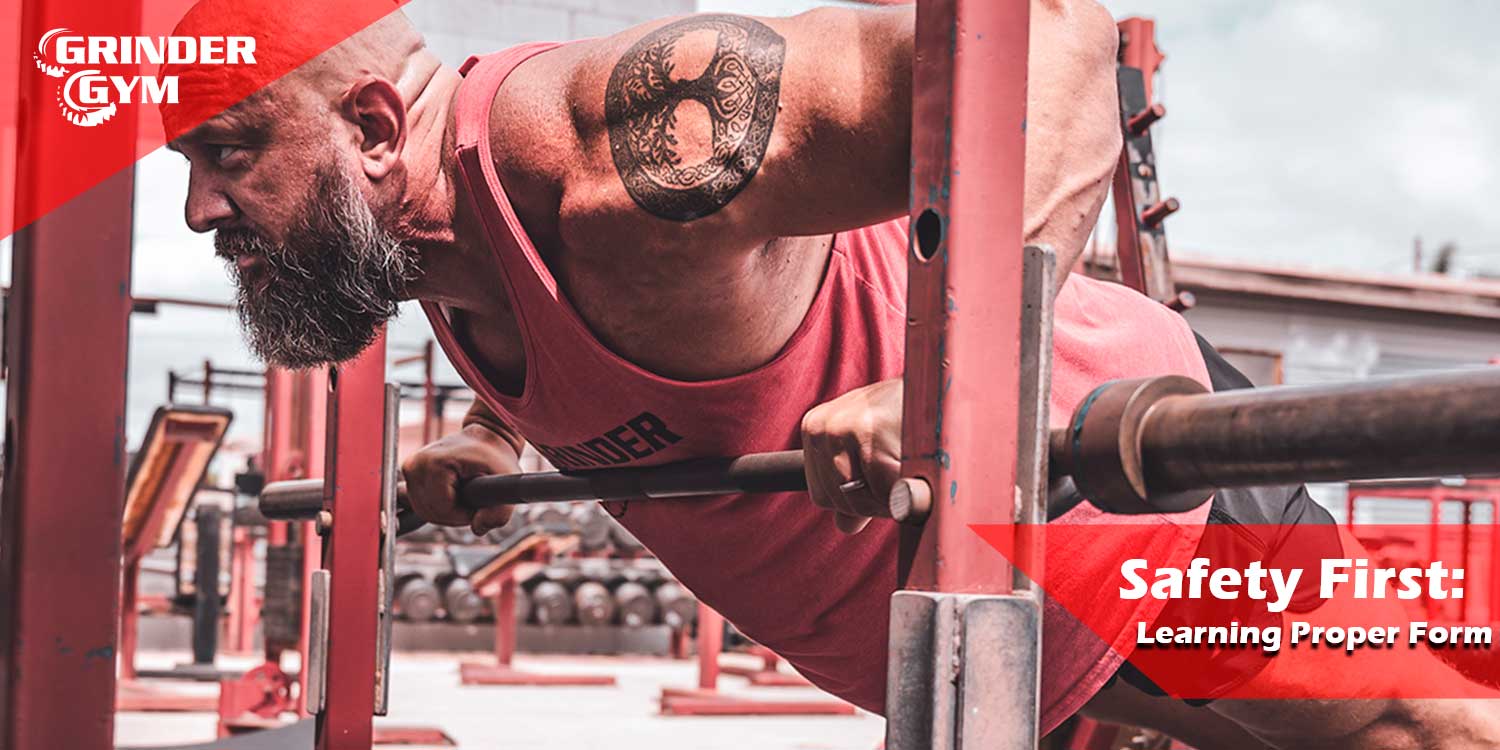
When starting your strength training journey, one of the most crucial aspects to focus on is learning proper form. Proper form isn’t just about looking good while lifting weights; it’s the foundation of effective and safe strength training. Whether you’re aiming to build muscle, increase strength, or enhance your overall fitness, mastering the correct technique…