-

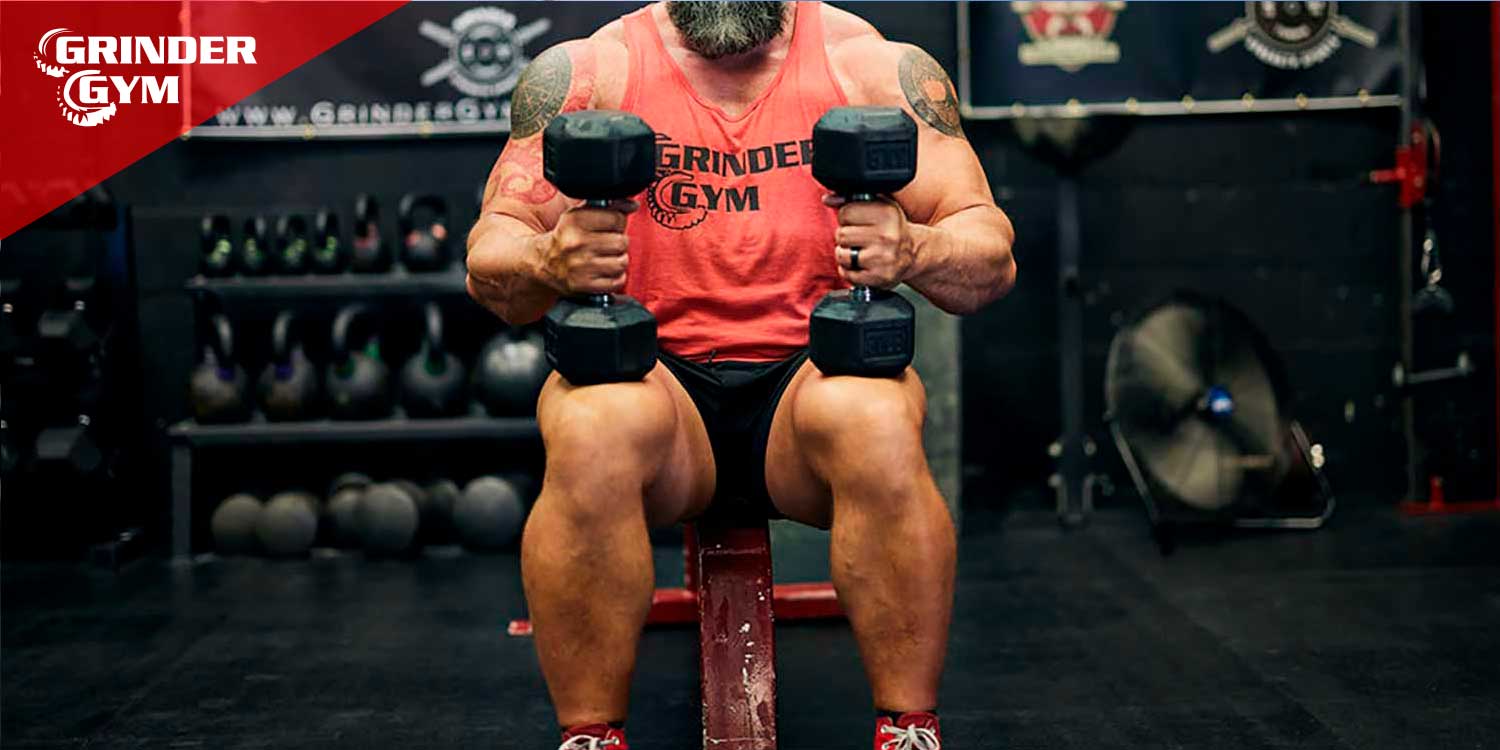
Specificity and Program Design Considerations
Creating an effective training program is a multifaceted process that involves careful consideration of various factors. Among these factors, specificity is a cornerstone principle that can greatly influence the success of your fitness journey. Whether your fitness goals revolve around building strength, enhancing endurance, increasing muscle size, or a combination of these objectives, understanding and…
-
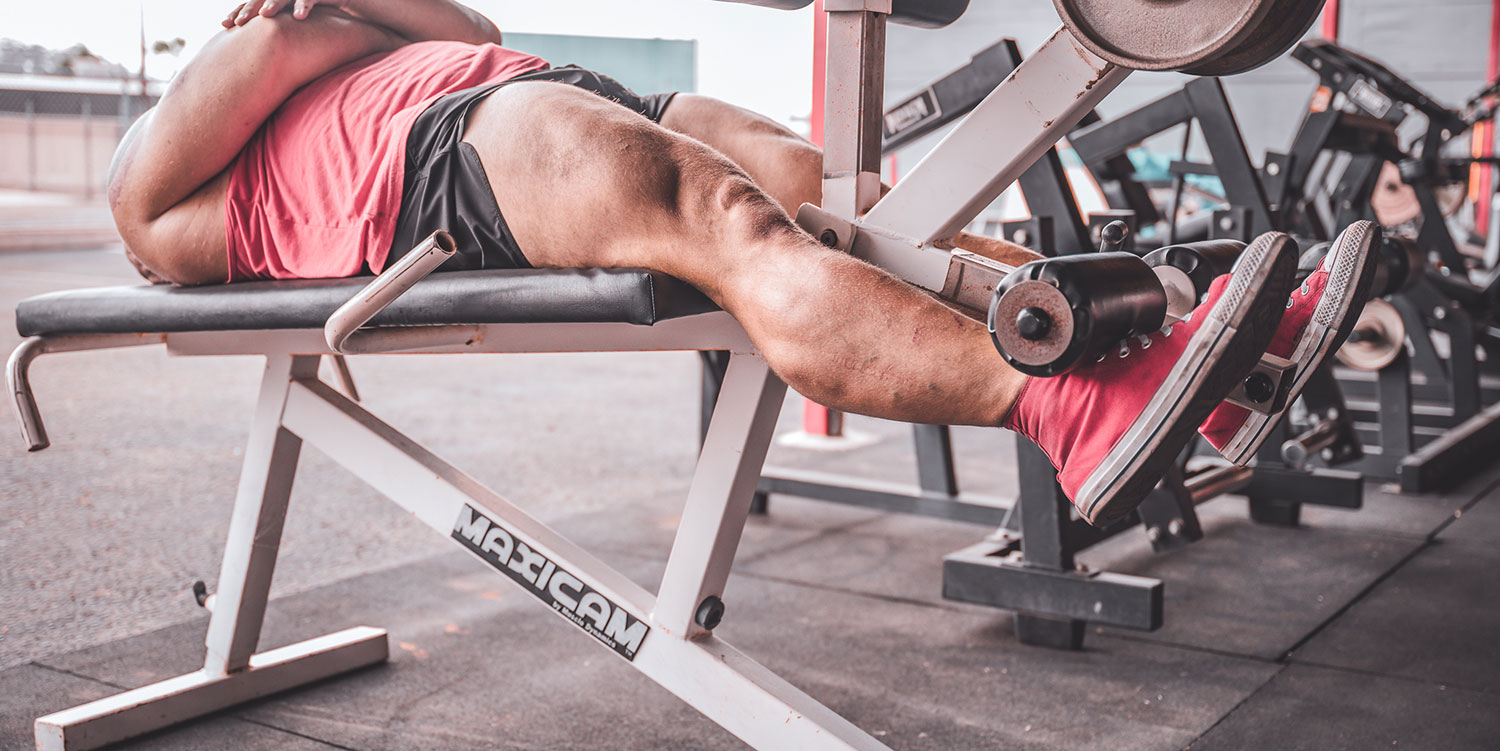
Embracing Novelty and Variation in Your Training Routine
Embarking on a fitness journey often begins with a specific goal in mind, whether it’s building muscle, shedding unwanted pounds, or improving overall health. While a structured and consistent training plan is vital for achieving these objectives, there is another important factor that should not be overlooked: novelty and variation. Incorporating fresh elements into your…
-
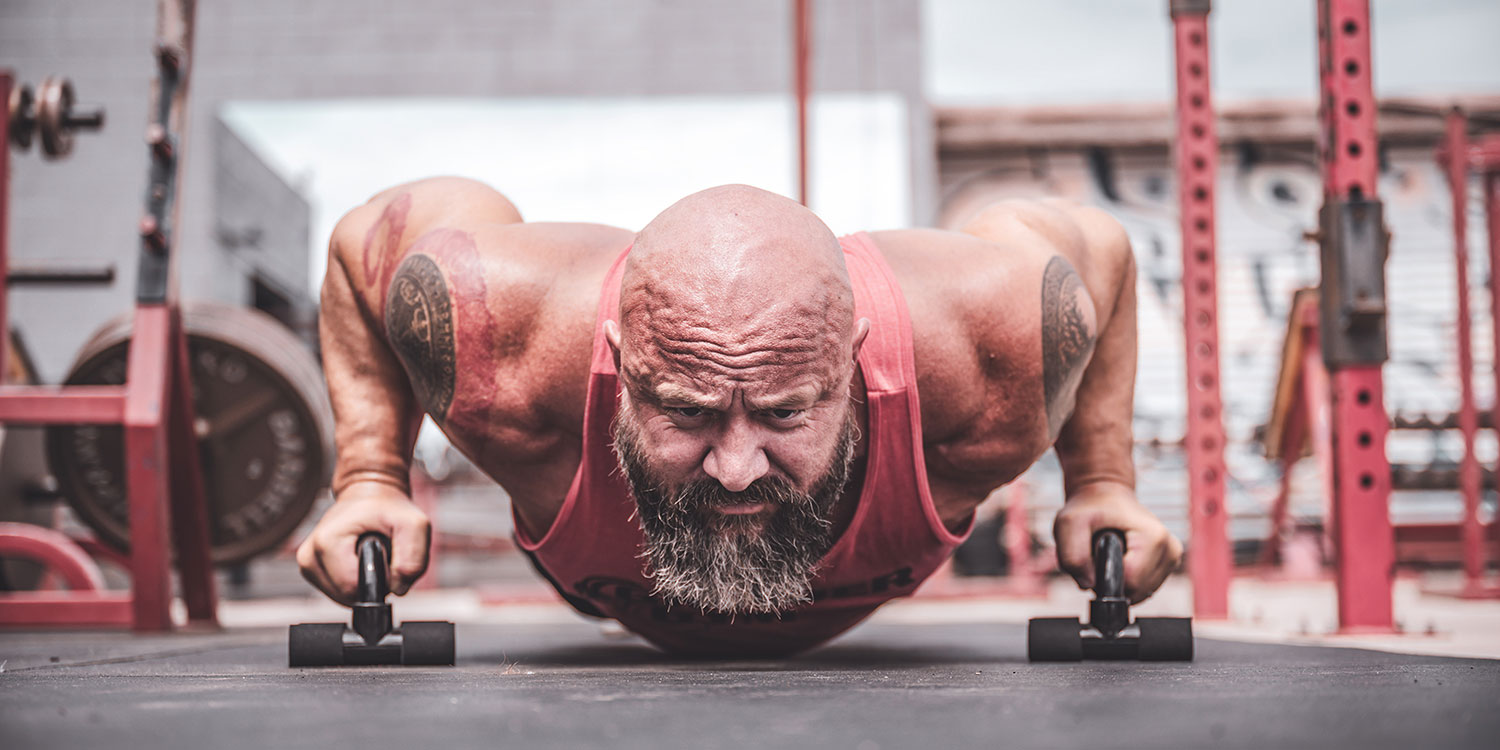
The Importance of Specificity in Training: Endurance vs Muscle Size
When it comes to achieving fitness goals, specificity in training is a principle that should not be overlooked. Whether your aim is to enhance endurance or increase muscle size, tailoring your workout routine to your specific goal is crucial for achieving optimal results. In this article, we will delve into the importance of specificity in…
-
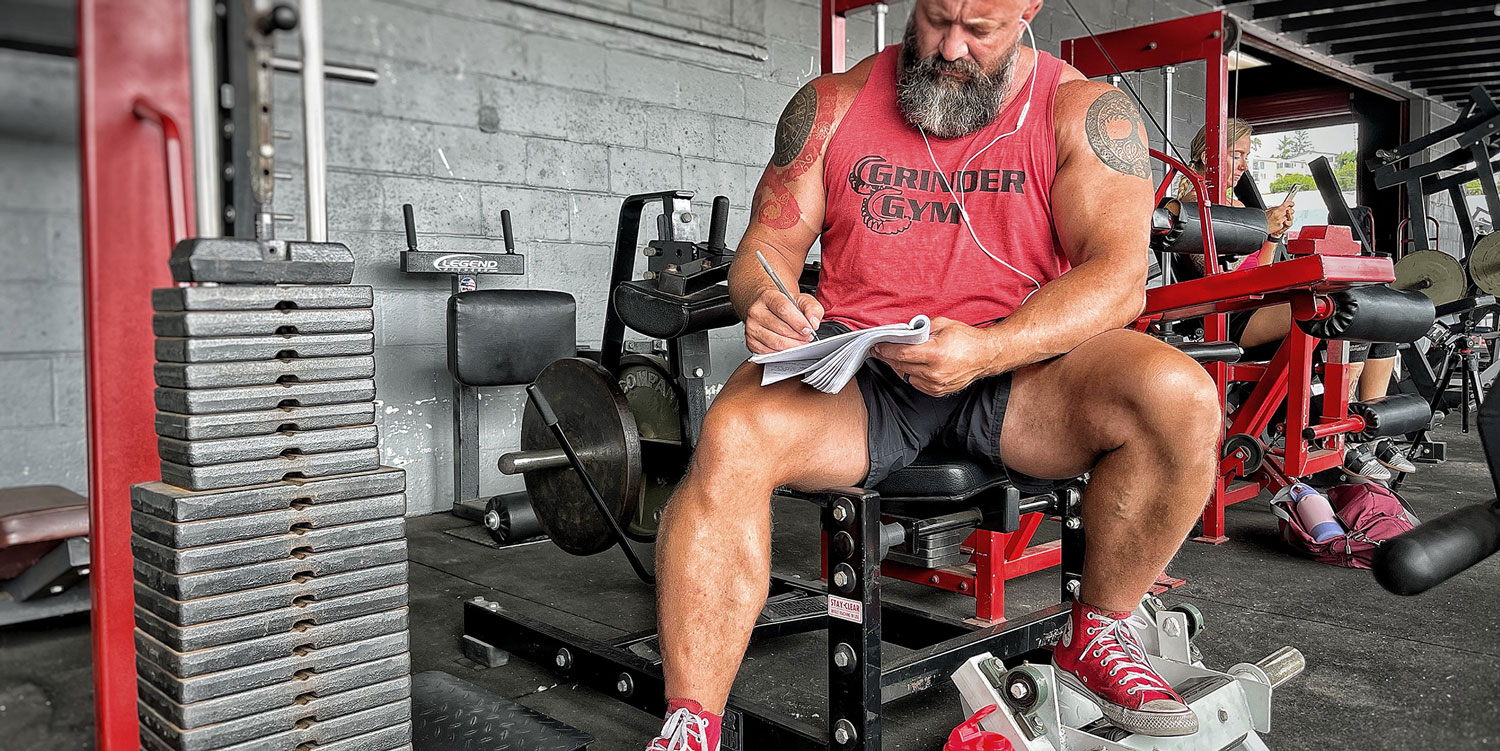
The Significance of Tracking Progress in Progressive Overload
Whether you’re looking to gain muscle, boost strength, or enhance overall fitness, it’s imperative to do more than just intensify your workouts randomly. To harness the full benefit of progressive overload, detailed tracking of your progress becomes increasingly more important the longer you train and the more you wish to prioritize your training results. In…
-
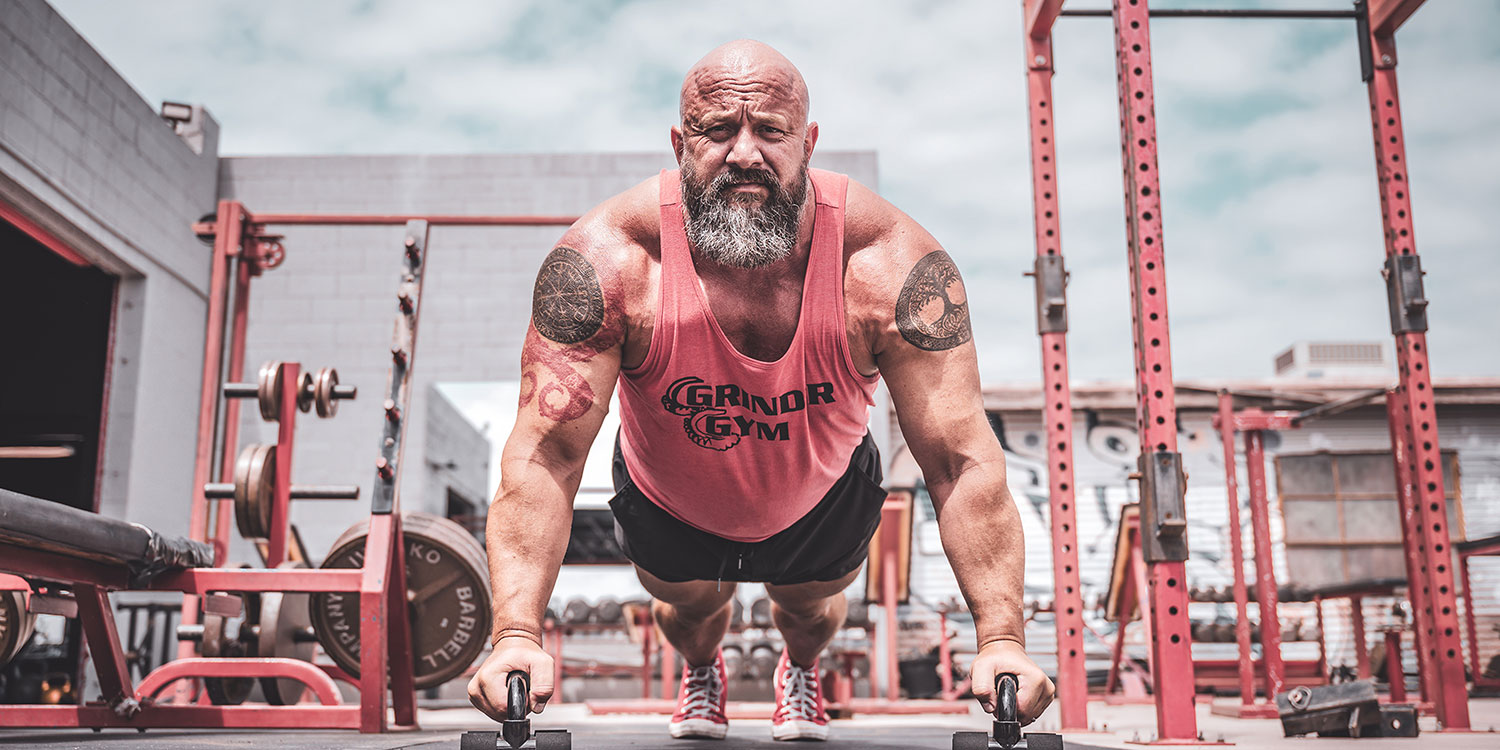
Understanding the Difference Between Hypertrophy and Strength Training: Tailoring Your Workouts for Success
When it comes to fitness and strength training, it’s essential to have clear goals in mind. Are you aiming to build bigger muscles (hypertrophy), or do you want to get stronger (increase strength)? While these two objectives might seem similar, the strategies to achieve them differ significantly. In this article, we will explore the distinctions…
-
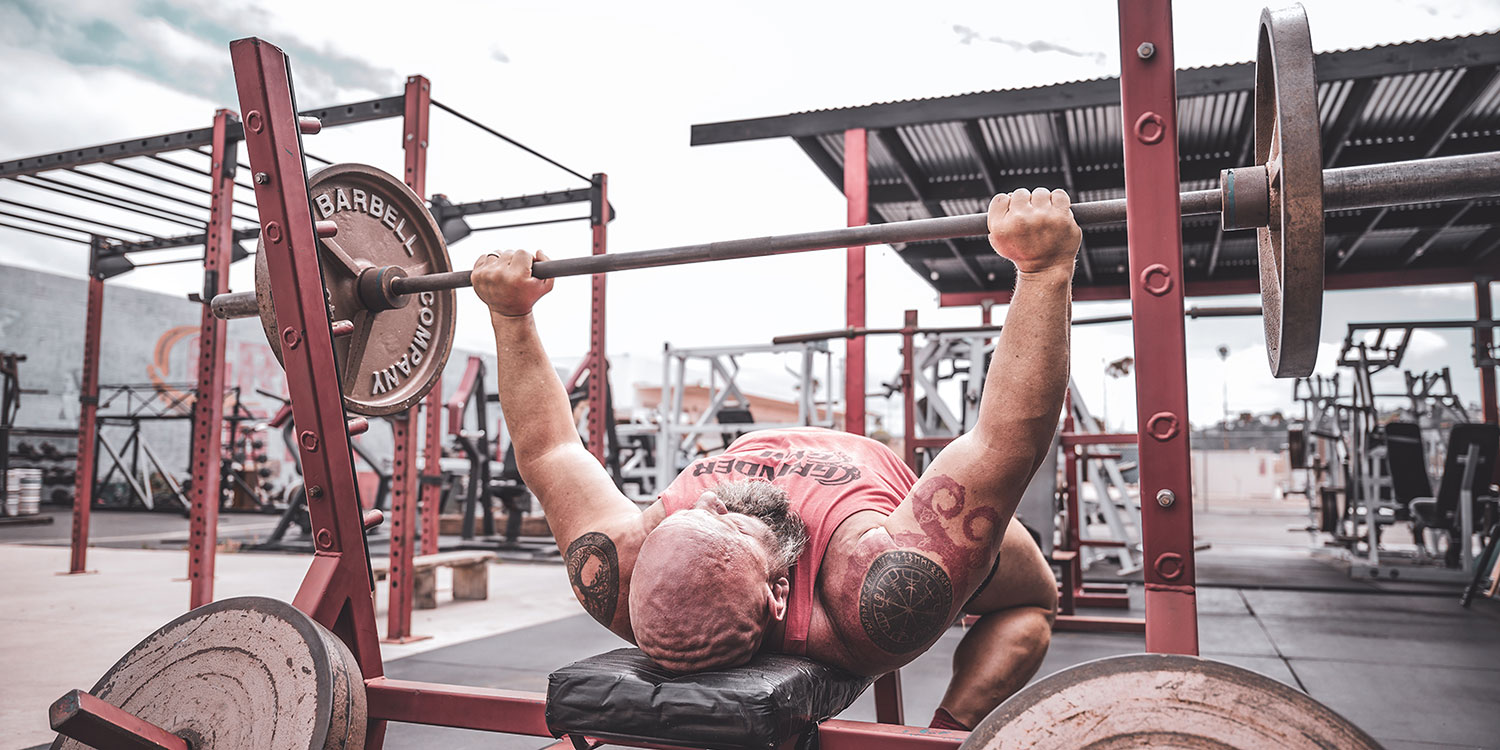
Maximizing Progress: A Comprehensive Guide to Variety in Overload
Progressive overload is the bedrock of effective exercise and strength training. While increasing the weight lifted is a tried-and-true method, there’s a whole world of variety in overload techniques that can take your workouts to the next level. In this article, we’ll explore a comprehensive set of strategies to diversify your training regimen and keep…
-
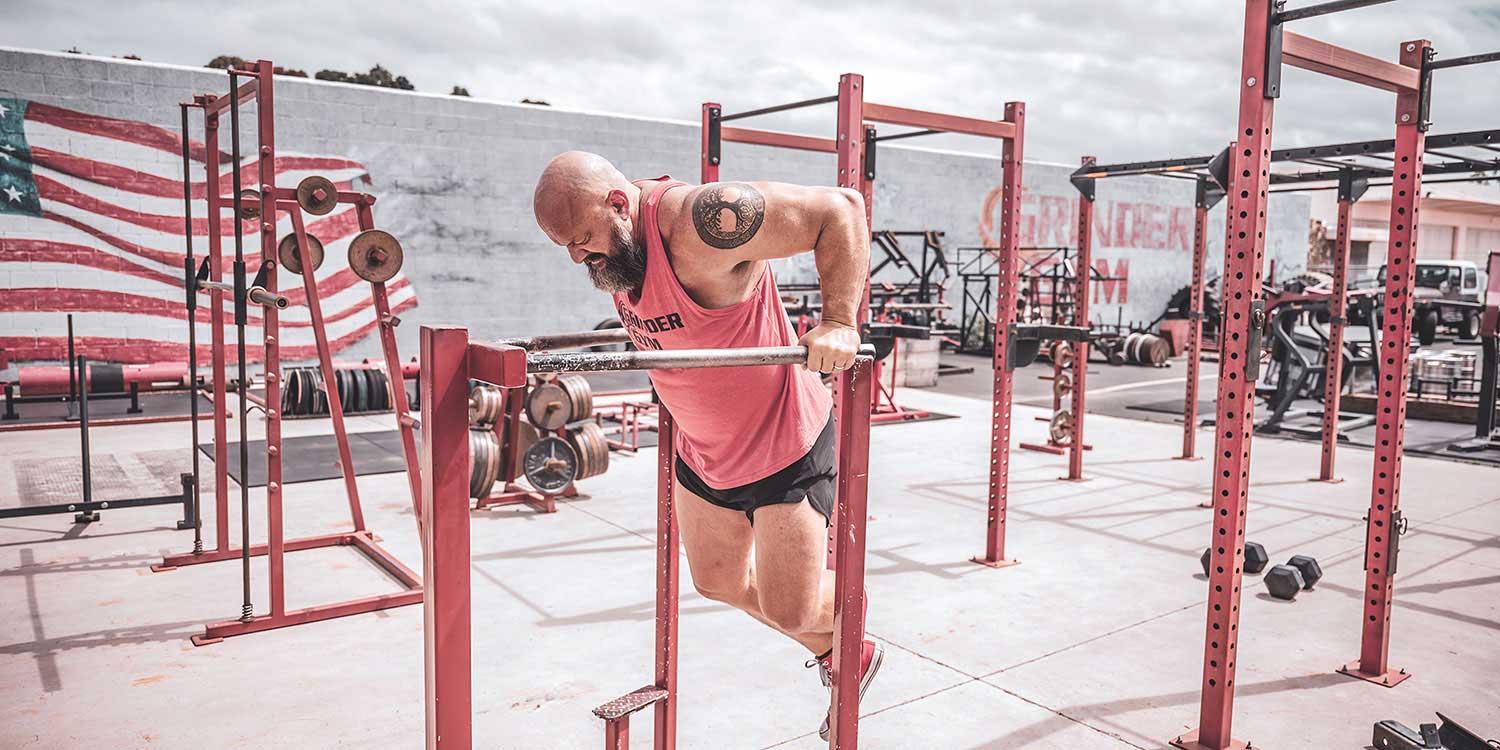
The Role of Specificity in Neural Adaptations During Strength Training
Strength training is a popular and effective way to build muscle, increase overall strength, and enhance physical performance. While the physical changes in muscle size and strength are well-known outcomes of strength training, there’s another crucial aspect that often goes unnoticed: the neural adaptations that occur in response to this type of exercise. Specifically, the…
-
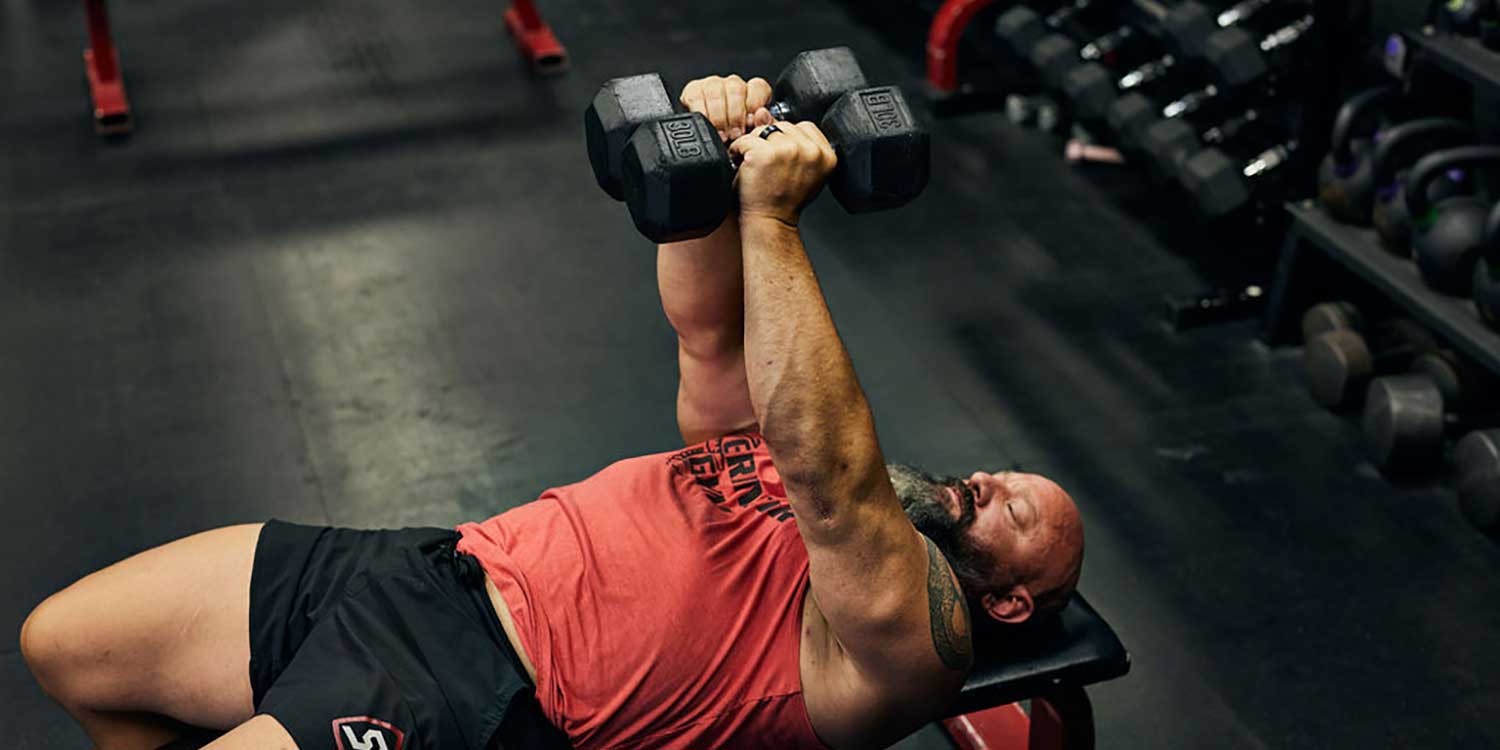
Training with Purpose: Training Modality Compatibility
In the pursuit of achieving our fitness and performance goals, one crucial element that often goes overlooked is training modality compatibility. It is not enough to simply engage in any form of exercise; instead, the mode of training must be tailored to match our objectives. Whether you are an aspiring athlete, a fitness enthusiast, or…
-
The Science Behind Rucking: How Weight Distribution Affects Your Body
Rucking, the act of walking with a weighted backpack, has gained popularity as a low-impact, high-reward workout. While it may seem like a simple activity, the science behind rucking reveals how weight distribution can significantly affect your body. Proper weight distribution plays a key role in ensuring that the exercise is both effective and safe.…
-
Rucking for Posture Improvement: How to Stand Taller and Stronger
Good posture is essential for overall health, but many people struggle with slouching, rounded shoulders, or poor spinal alignment due to sedentary lifestyles or prolonged sitting. Rucking, which involves walking with a weighted backpack, is an excellent way to improve posture. The added resistance from the weight forces you to engage key muscles that promote…
-
Rucking for Mental Health: Building Resilience and Mental Toughness
Rucking is more than just a physical workout, it’s also a powerful tool for building mental resilience and toughness. Carrying a weighted pack over long distances challenges your body, but it also requires mental endurance and focus to push through discomfort. In a world where mental health is becoming increasingly prioritized, rucking offers a way…
-
Understanding the Purpose Behind Every Exercise
When it comes to exercise selection, it’s crucial to understand that not all exercises are created equal. Every movement we perform in the gym or during training has a specific purpose, whether it’s to build muscle, enhance power, or increase strength.