-
The Four Phases of Hypertrophy-Centric Cyclical Training (HCCT)
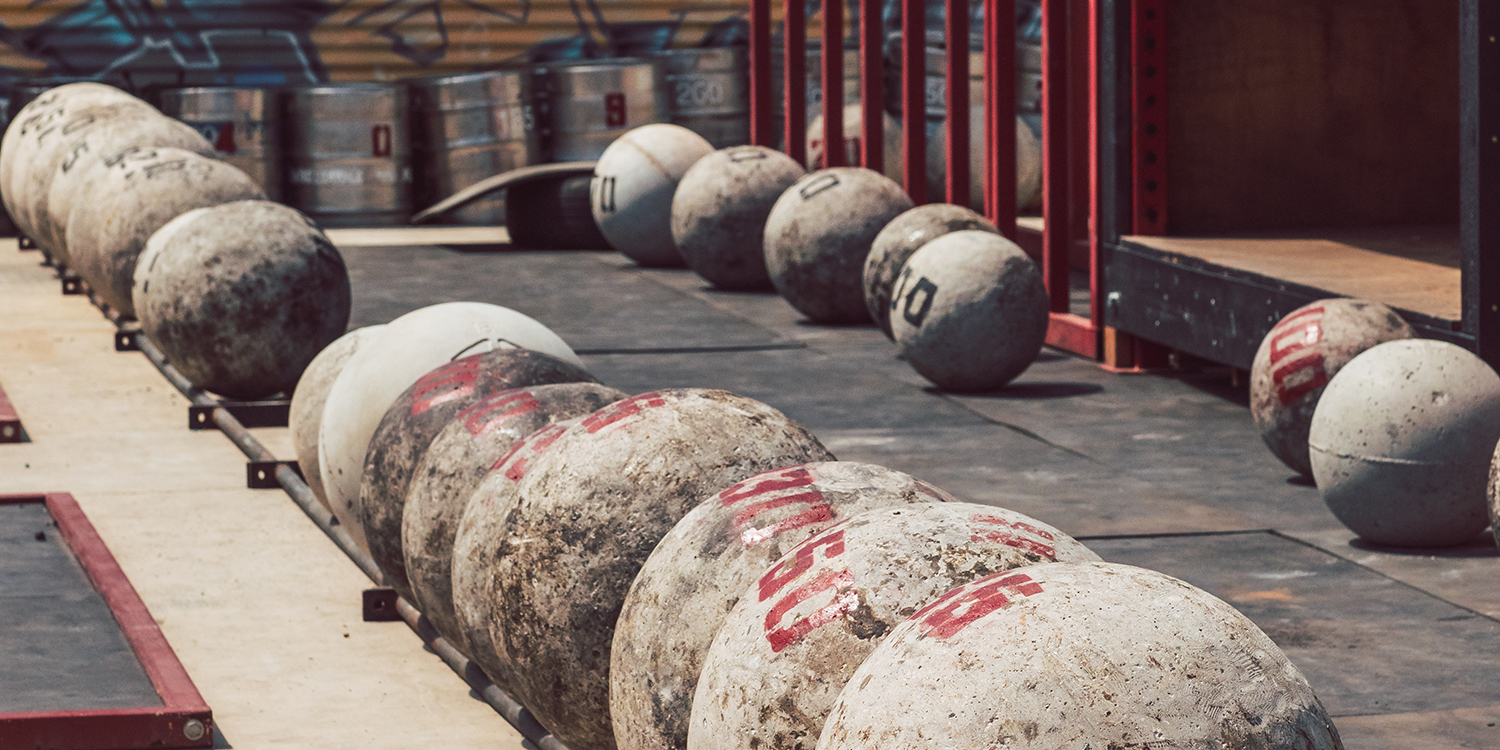
Hypertrophy-Centric Cyclical Training is built around four repeating phases. Each phase develops a different quality of strength while maintaining the central objective of the system: continuous hypertrophy and long-term strength development. Unlike traditional periodization, these phases are not isolated blocks that abandon previous adaptations. Instead, they are overlapping layers of development that reinforce one another.…
-
The Five Laws of Hypertrophy-Centric Cyclical Training
The Five Laws of Hypertrophy-Centric Cyclical Training Every effective training system is built on a set of guiding principles. These principles serve as the foundation that shapes how the system is applied, how programs are structured, and how progress is evaluated over time. Without clear principles, training becomes reactive and inconsistent, lifters jump from method…
-
Where HCCT Fits in the Strength World
The strength training world is largely divided into different schools of thought. Each system excels in a specific area but often leaves gaps in others. Hypertrophy-Centric Cyclical Training was developed to bridge these gaps. Rather than choosing between hypertrophy training, maximal strength training, or structural development, HCCT integrates all three into a cyclical model designed…
-
Types of Muscle Growth and Structural Hypertrophy
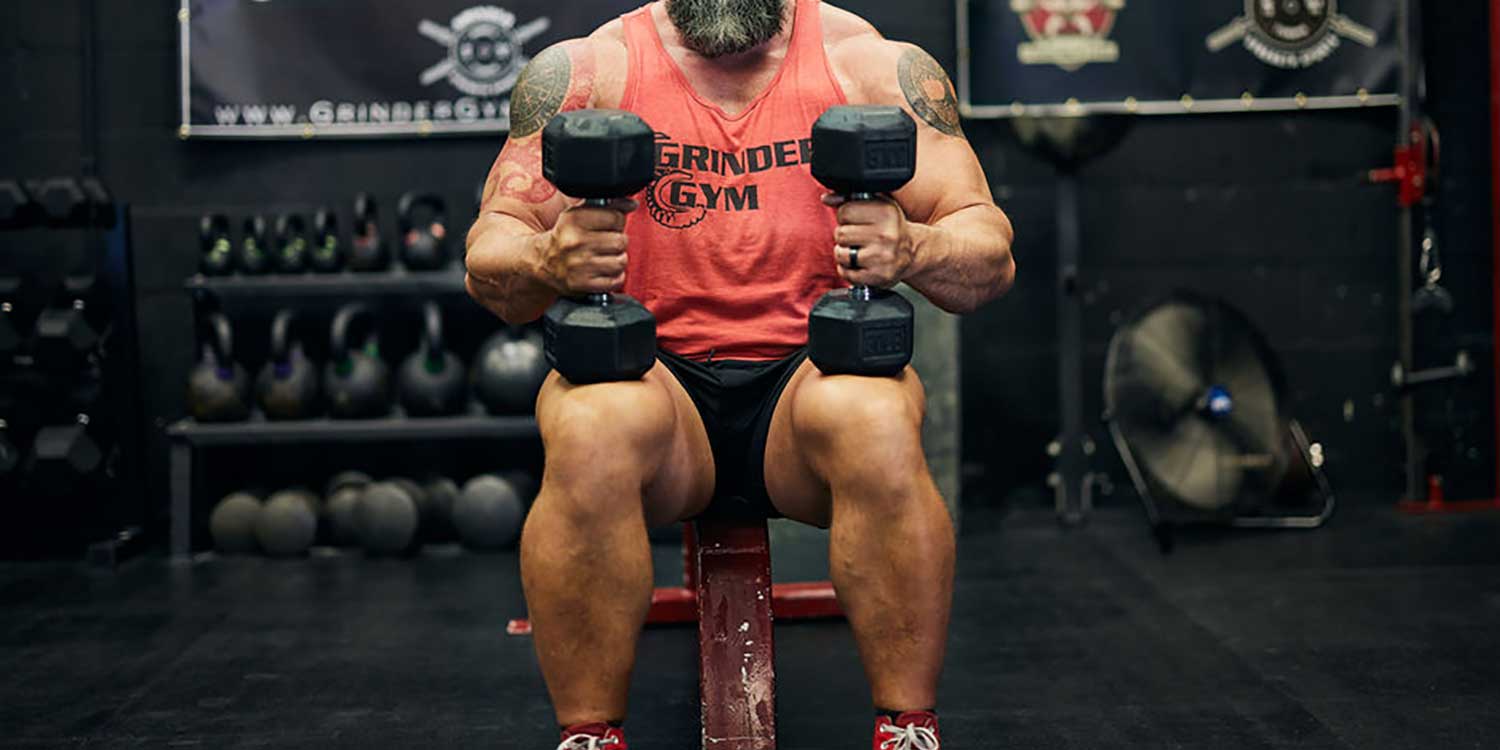
Muscle growth isn’t one single adaptation. Several different physiological changes can all add size to a muscle, and they don’t all do the same job. Once you understand the differences, it’s easy to see why some kinds of growth build real strength and others mostly build the look of it. The three forms strength science…
-
Why Connective Tissue Limits Strength
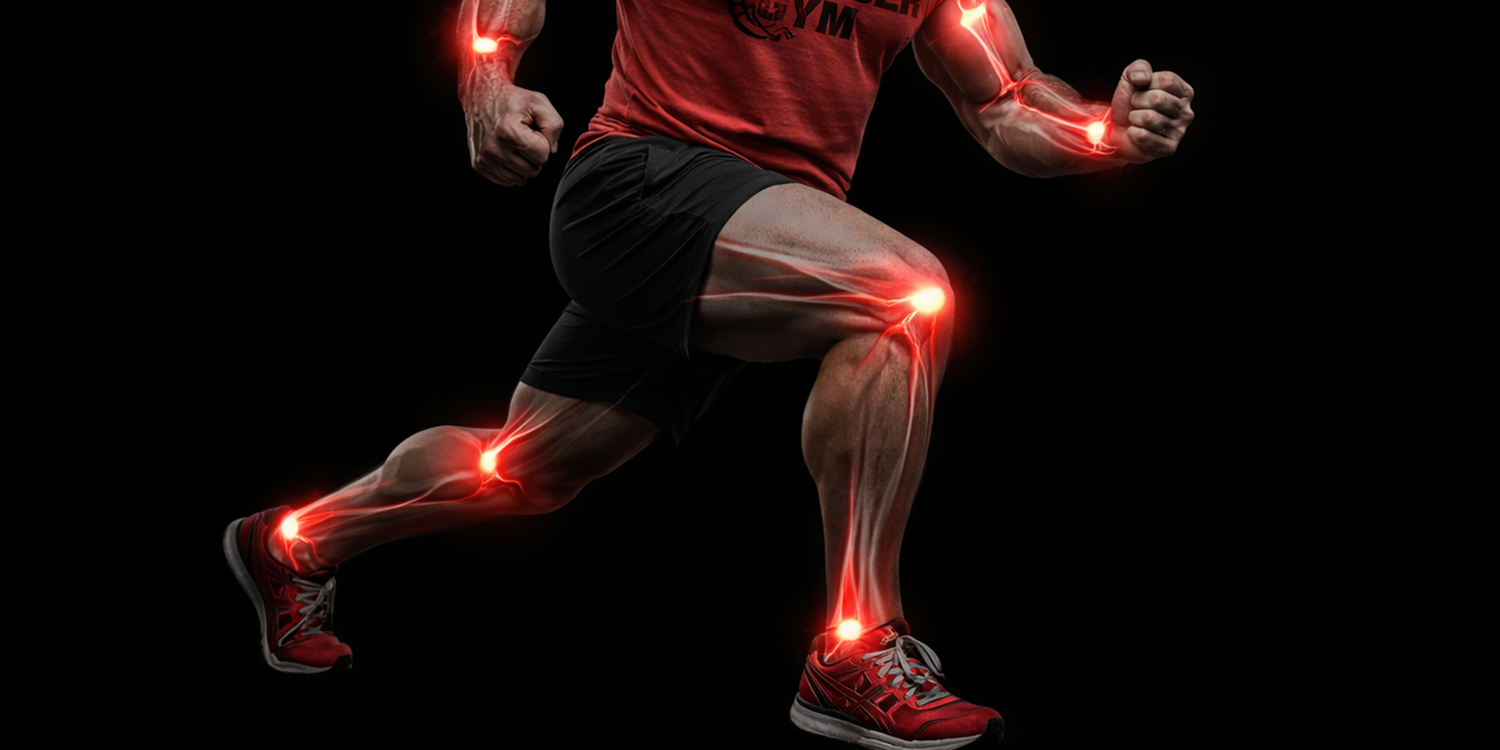
When lifters think about getting stronger, they think about muscle. Bigger muscles, heavier weights, harder sessions. That’s usually where the whole conversation starts and stops. But muscle is only part of the system. Every pound you lift has to travel through tendons, ligaments, and connective tissue before it ever moves the bar. If those tissues…