-
The Five Laws of Hypertrophy-Centric Cyclical Training
The Five Laws of Hypertrophy-Centric Cyclical Training Every effective training system is built on a set of guiding principles. These principles serve as the foundation that shapes how the system is applied, how programs are structured, and how progress is evaluated over time. Without clear principles, training becomes reactive and inconsistent, lifters jump from method…
-
Where HCCT Fits in the Strength World
The strength training world is largely divided into different schools of thought. Each system excels in a specific area but often leaves gaps in others. Hypertrophy-Centric Cyclical Training was developed to bridge these gaps. Rather than choosing between hypertrophy training, maximal strength training, or structural development, HCCT integrates all three into a cyclical model designed…
-
Comparing Popular Periodization Models to Hypertrophy-Centric Cyclical Training (HCCT)
Periodization models have been used for decades to structure training programs for hypertrophy, strength, and power development. While traditional periodization approaches offer structured progression, they often fail to account for long-term adaptability. Hypertrophy Centric Cyclical Training (HCCT) bridges the gap between rigid structure and necessary flexibility, making it a superior choice for lifters seeking both…
-
HCCT Strength Phase: Prioritizing Neural Adaptations While Sustaining Hypertrophy
The Strength Phase in the Hypertrophy-Centric Cyclical Training (HCCT) Model focuses on maximizing neural adaptations, enhancing motor unit recruitment, intramuscular coordination, and force production, while ensuring that muscle hypertrophy is sustained through strategic assistance work and complementary hypertrophy-driven strategies. Key Objectives of the Strength Phase Hypertrophy-Driven Strategies Complementing the Strength Phase Since the primary goal…
-

Types of Muscle Growth and Structural Hypertrophy
Muscle growth isn’t one single adaptation. Several different physiological changes can all add size to a muscle, and they don’t all do the same job. Once you understand the differences, it’s easy to see why some kinds of growth build real strength and others mostly build the look of it. The three forms strength science…
-
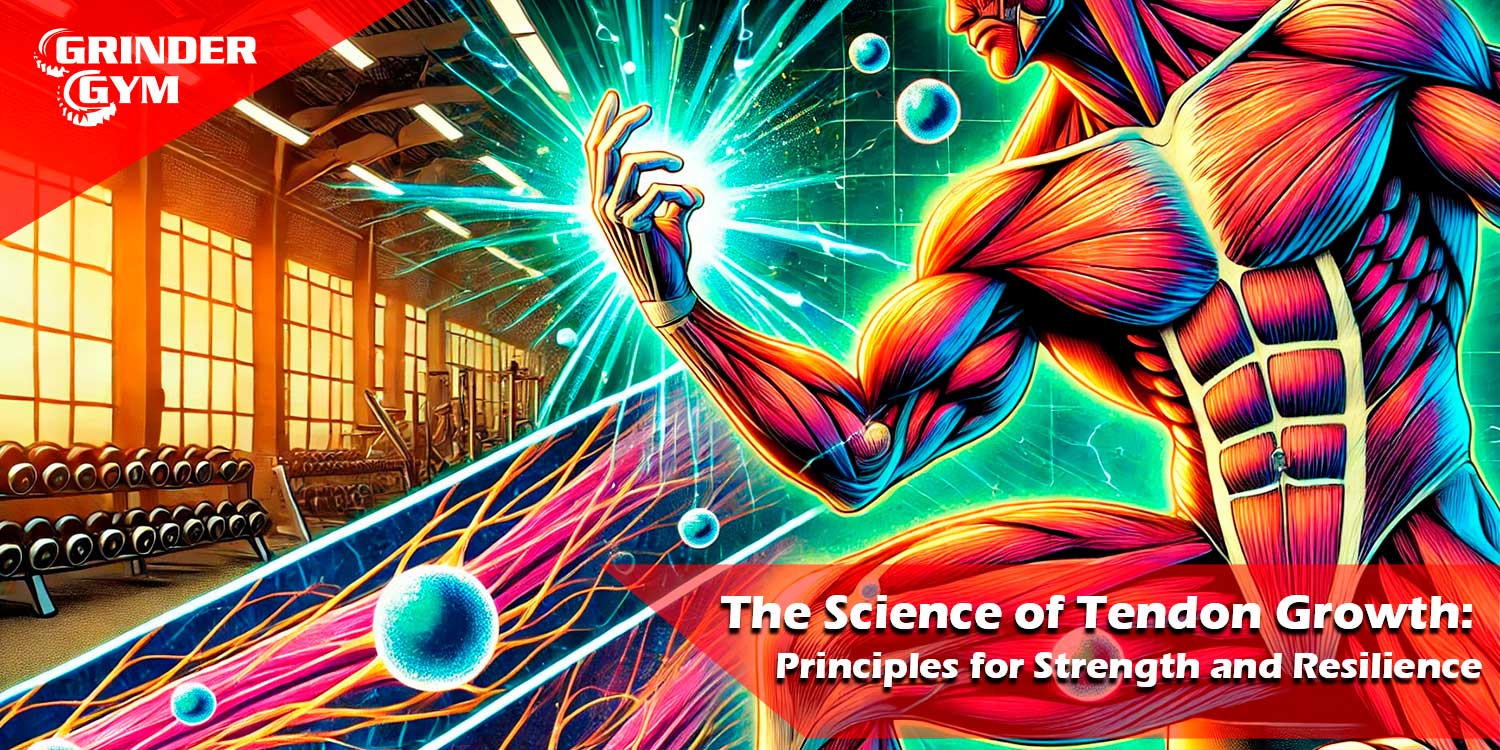
The Science of Tendon Growth: Principles for Strength and Resilience
Tendon hypertrophy, while not categorized by an established classification system or universally accepted naming convention, can be understood through the lens of localized adaptations. Tendon growth often occurs in specific regions, such as the insertion points at the bone-tendon junction or along the mid-tendon region, with these changes driven by the type and intensity of…
-

Mastering Hypertrophy: Optimizing Training Volume for Muscle Growth
Training volume, the number of hard sets you do per muscle group per week, is one of the most critical factors in driving muscle growth. But hitting the right volume isn’t just about doing more. It’s about doing what you can recover from and progress with. This article explores the science, explains how to tailor…
-
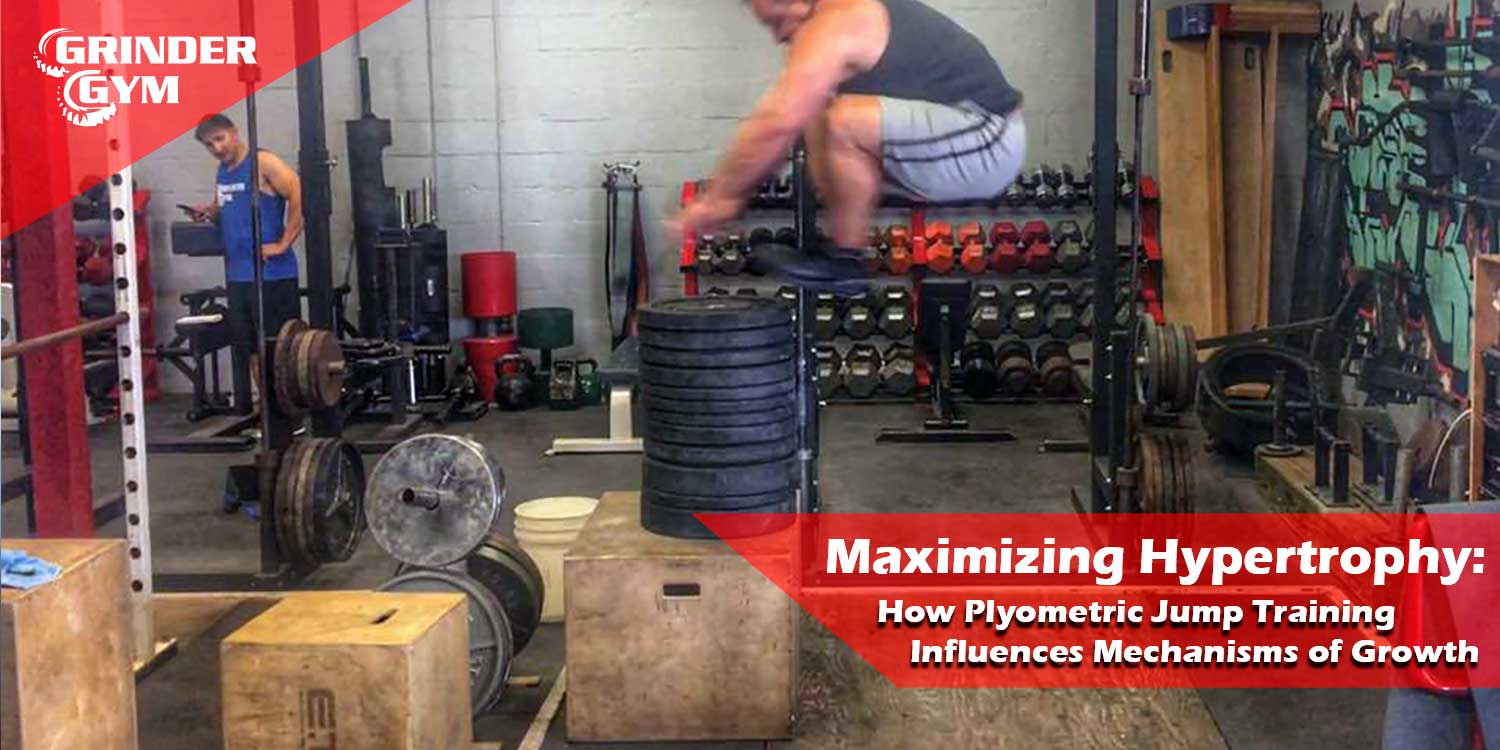
Maximizing Hypertrophy: How Plyometric Jump Training Influences Mechanisms of Growth
In the world of sport and fitness, plyometric jump training (PJT) is widely known for improving power, agility, and speed. However, what many may not realize is its potential to stimulate muscle hypertrophy. While traditional resistance training remains the go-to method for muscle growth, recent research indicates that plyometric exercises may also drive the mechanisms…
-

Unlocking Muscle Growth: The Role of Time Under Tension (TUT) in Hypertrophy Training
Time Under Tension (TUT) has long been regarded as an important variable in hypertrophy training, with many fitness professionals suggesting that maintaining a TUT of 40 to 60 seconds per set can optimize muscle growth. However, as research evolves, it has become clear that while TUT plays a role in hypertrophy, it is not a…
-
Individualization: Tailoring Hypertrophy Training for Optimal Results
Individualization is a cornerstone of effective hypertrophy training. While general principles of muscle growth apply to everyone, the way these principles are applied should be customized to each individual’s unique characteristics. Factors such as genetics, experience level, and training history significantly influence how a person responds to training. By understanding and applying the concept of…
-
Muscle Damage: A Critical Component of Hypertrophy
Muscle damage is one of the key mechanisms by which hypertrophy, muscle growth, is stimulated. This process, which involves the creation of micro-tears in muscle fibers, is primarily triggered by exercises that introduce stress beyond the muscle’s current capacity. While muscle damage is a natural and necessary part of the adaptation process, it must be…
-

Bodybuilding Training: Optimizing Training Systems for Hypertrophy
Hypertrophy training gets talked about everywhere, but very few people actually understand how to apply it in a way that leads to real, consistent muscle growth. Most lifters chase harder workouts, more volume, or the latest program, thinking that effort alone is what builds size. It’s not. Muscle is built through structure, progression, and the…