-
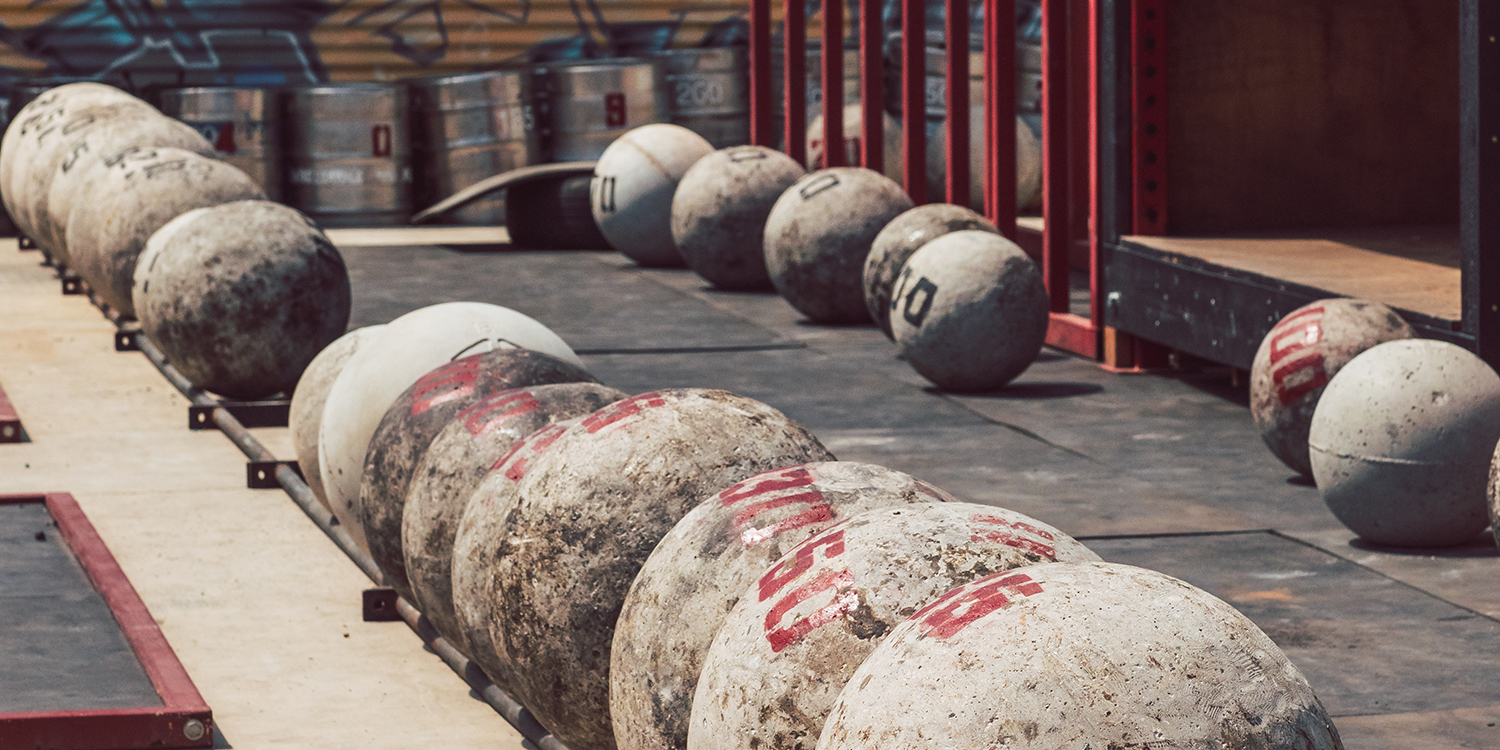
How to Add 2 Inches to Your Forearms – Without Overtraining
When people think about getting bigger arms, they almost always go straight to biceps and triceps. But here’s the truth most lifters eventually learn the hard way: If your forearms are underdeveloped, your arms will always look incomplete. What’s worse? You can’t fake forearms. You can’t pump them up in a single session. You can’t…
-
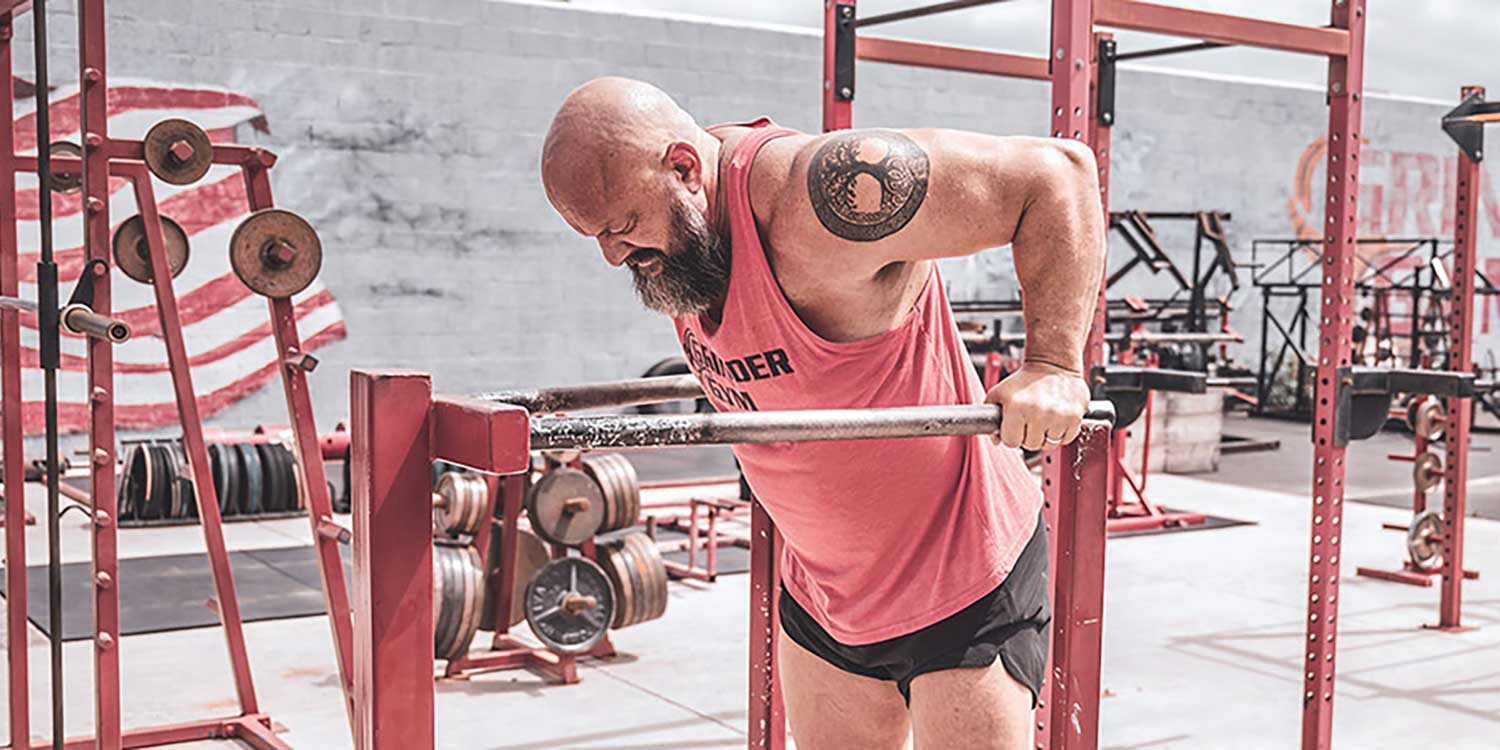
Timing Your Workouts for Peak Performance: Harnessing Supercompensation
Maximizing training results isn’t just about how hard you work, it’s also about when you train. Supercompensation, the body’s adaptive response to training stress, plays a crucial role in determining the optimal timing for workouts. Understanding how and when to train in alignment with the supercompensation phase can lead to faster gains, improved performance, and…
-
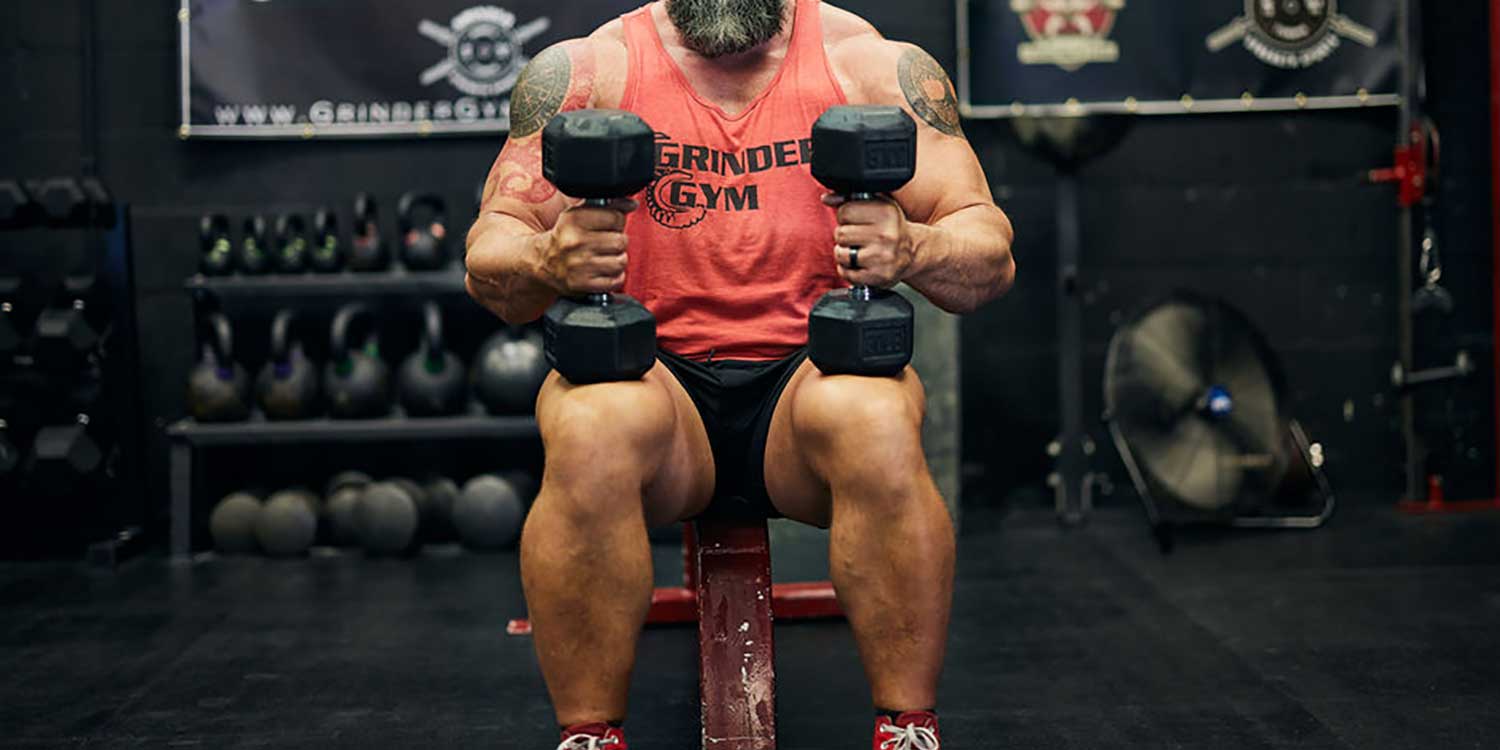
Strategic Overreaching: A Pathway to Maximizing Muscle Hypertrophy
Experiencing persistent fatigue, diminished performance, or a lack of enthusiasm in your training regimen may lead you to suspect overtraining. However, true overtraining syndrome (OTS) is rare, especially in strength sports. More commonly, these symptoms arise from inadequate recovery practices, such as poor sleep, suboptimal nutrition, or elevated stress levels. When managed correctly, intentionally pushing…
-

Common Recovery Mistakes: Overtraining, Loss of Sleep, and Poor Nutrition
Recovery is just as crucial as the time spent in the gym, if not more so. Unfortunately, many beginners, and even seasoned athletes, often overlook the importance of recovery, leading to mistakes that can hinder progress and increase the risk of injury. Among the most common recovery pitfalls are overtraining, inadequate sleep, and poor nutrition.…
-
Muscle Damage: A Critical Component of Hypertrophy
Muscle damage is one of the key mechanisms by which hypertrophy, muscle growth, is stimulated. This process, which involves the creation of micro-tears in muscle fibers, is primarily triggered by exercises that introduce stress beyond the muscle’s current capacity. While muscle damage is a natural and necessary part of the adaptation process, it must be…
-

The Psychological Impact of Overtraining: Burnout and Motivation:
Overtraining is often discussed in terms of its physical consequences, fatigue, muscle breakdown, and decreased performance. However, the psychological toll of overtraining is just as significant, if not more so. Burnout, loss of motivation, irritability, and even symptoms of depression can arise when training stress overwhelms the body’s ability to recover. Understanding the mental and…
-
The Science Behind Overtraining: What Happens to Your Body
Behind the symptoms of overtraining lies a complex physiological response. While pushing your limits is essential for progress, excessive training without sufficient recovery can trigger a cascade of negative effects that hinder performance and overall well-being. At the core of overtraining is an imbalance between training stress and recovery, leading to disruptions across multiple bodily…
-
Rest and Recovery: Importance of Sleep for Muscle Recovery
In the pursuit of muscle building and overall fitness, recovery and rest are often underestimated yet critical components. Proper recovery strategies not only prevent burnout and injury but also contribute significantly to muscle growth, performance enhancement, and long-term success. In this article, we will delve into the importance of sleep, active recovery techniques, managing overtraining,…
-
Mindful Training: How Being Present Can Prevent Overtraining
In today’s fitness culture, pushing boundaries is often glorified, but training harder isn’t always training smarter. Mindful training, the practice of being fully present and engaged during workouts, can help prevent overtraining, enhance performance, and reduce injury risk. Instead of treating every session as a battle to exhaustion, incorporating mindfulness into your training can create…
-
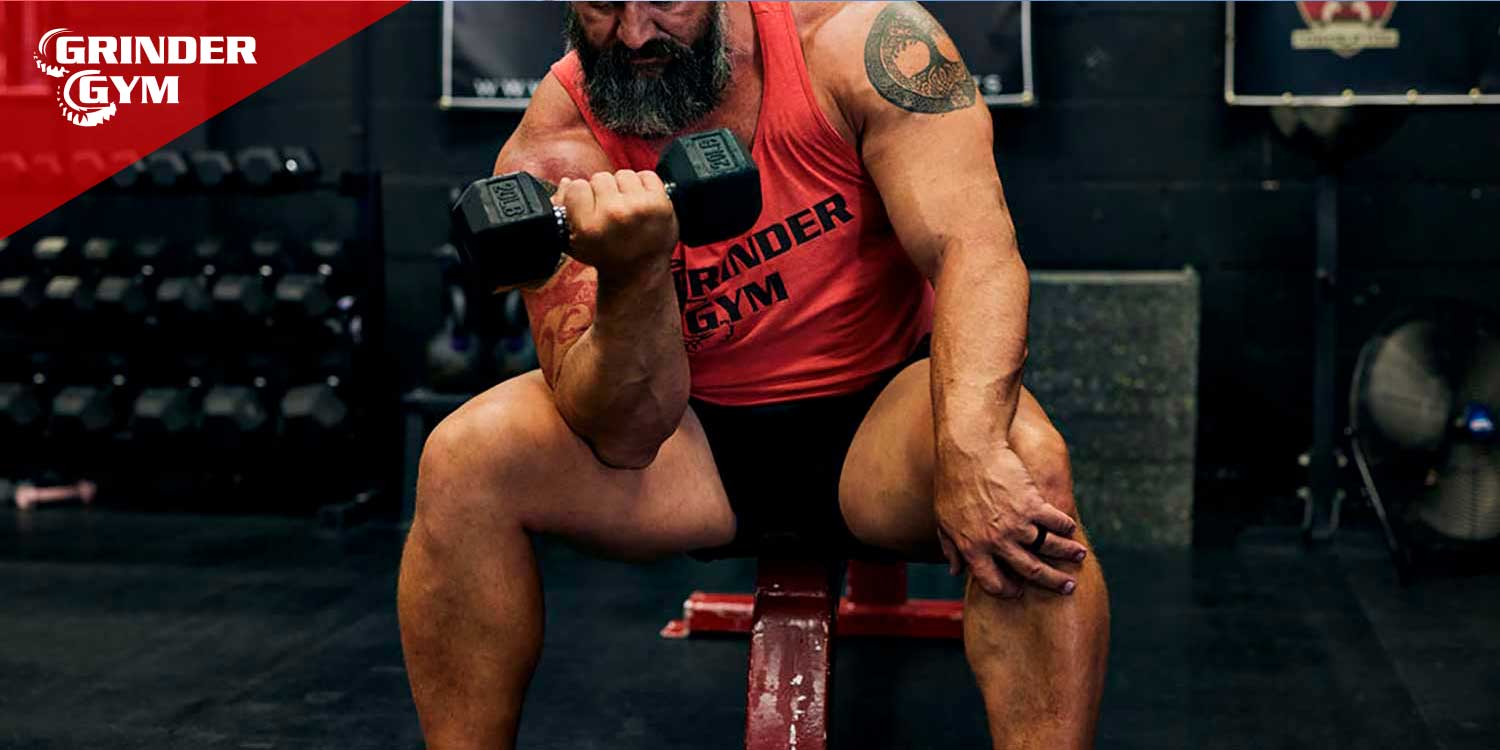
Overtraining Prevention: How to Find Your Optimal Training Volume and Intensity
Overtraining occurs when training stress exceeds the body’s ability to recover, leading to stagnation, fatigue, and even injury. To maximize performance and muscle growth while avoiding burnout, it is essential to determine the right balance of training volume and intensity. Finding your optimal training load ensures continued progress without excessive stress on your body. Below…