-
Structuring Strength Training: Assessing the Results and Making Changes
As you progress through your strength training journey, assessing the results of your efforts is crucial for continued growth and success. Knowing when and how to evaluate your progress allows you to make informed adjustments to your program, ensuring that you keep moving towards your goals. This guide will help you understand how to assess…
-
Structuring Strength Training: Tracking Progress for the Beginner
Tracking your progress is one of the most important aspects of a successful strength training program. For beginners, understanding how to measure and monitor improvements can be the difference between achieving your goals and hitting a plateau. This guide will help you develop effective methods for tracking your progress as you embark on your strength…
-
Structuring Strength Training: How to Increase Load and Volume for the Beginner
As you progress in your strength training journey, one of the key factors in continuing to build muscle and strength is learning how to effectively increase load and volume. This guide will help beginners understand the principles behind these concepts and how to apply them safely and effectively. Understanding Load and Volume What is Load?…
-
Structuring Strength Training: Upper/ Lower Splits for the Beginner
An upper/lower split is a popular training method that divides your workout routine into upper-body and lower-body sessions. This approach allows you to focus on specific muscle groups more intensely while still providing adequate recovery time between workouts. For beginners, an upper/lower split can be an effective way to build strength, muscle, and confidence. Why…
-
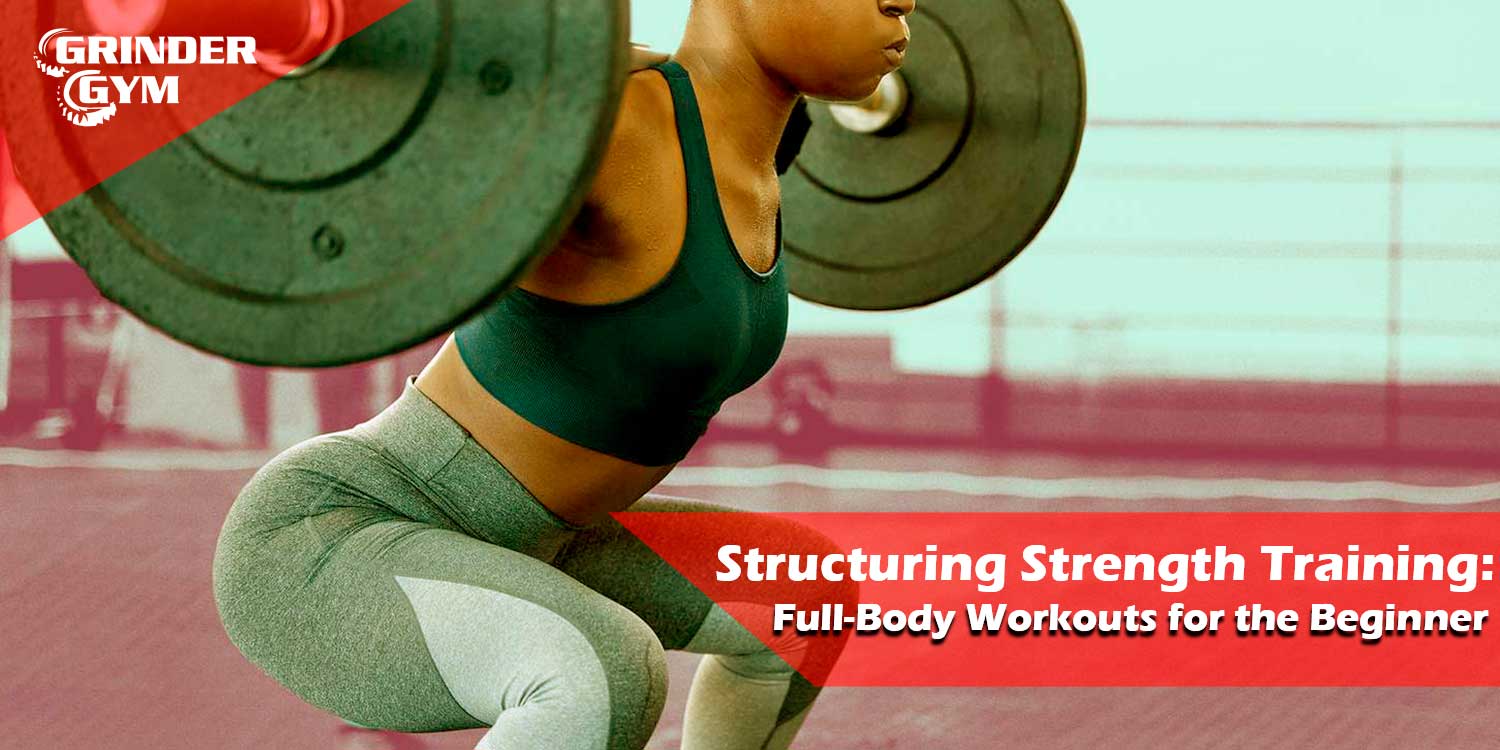
Structuring Strength Training: Full-Body Workouts for the Beginner
Full-body workouts are an excellent starting point for beginners in strength training. They allow you to train all major muscle groups in a single session, providing a balanced approach that builds overall strength and muscle mass. This article will guide you through the structure of a full-body workout, ensuring that you understand how to organize…
-
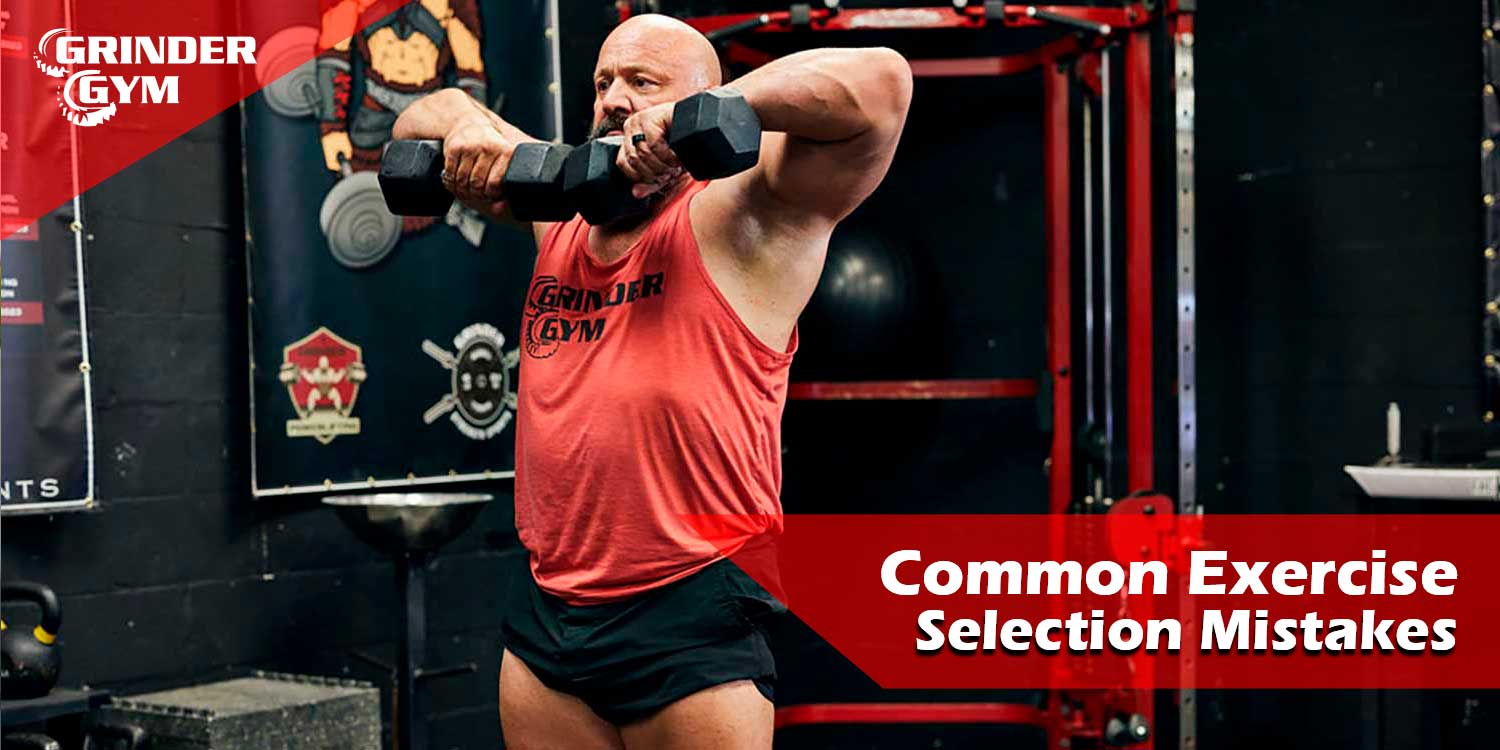
Common Exercise Selection Mistakes
Choosing the right exercises is crucial for effective strength training, but many beginners, and even some experienced lifters, make mistakes in their exercise selection that can hinder progress or lead to injury. Understanding these common pitfalls can help you make better choices in your training routine, ensuring that you maximize your gains while minimizing risks.…
-
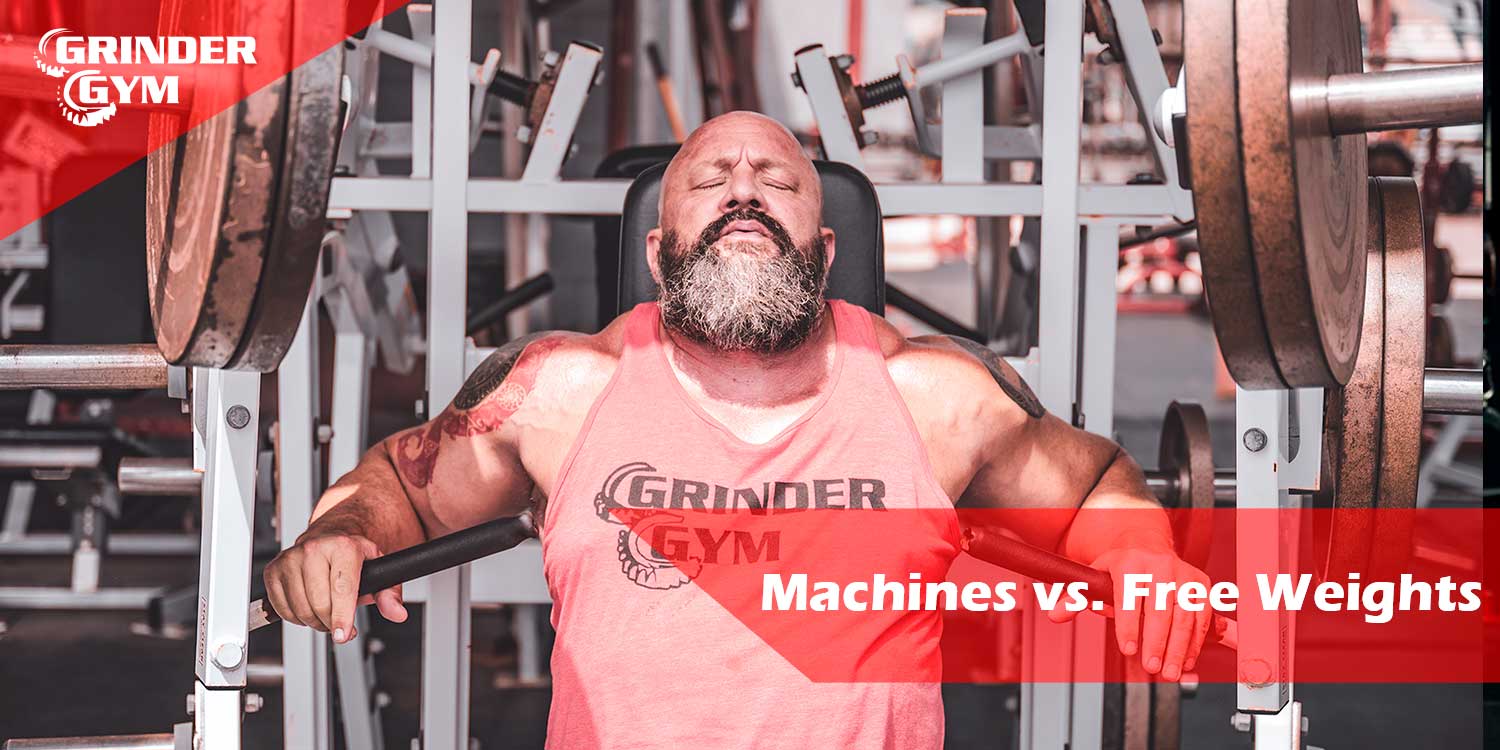
Machines vs. Free Weights
When it comes to strength training, one of the most common questions beginners ask is whether to use machines or free weights. Both options offer unique benefits and can be effective tools for building muscle and strength. Understanding the differences between machines and free weights can help you make informed decisions about which to incorporate…
-

Body Weight Exercises
Bodyweight exercises are a foundational element of strength training that can be performed anywhere, without the need for equipment. These exercises rely on your body’s weight to provide resistance, making them accessible and effective for building strength, endurance, and flexibility. In this article, we will explore the benefits of bodyweight exercises, key movements to incorporate…
-
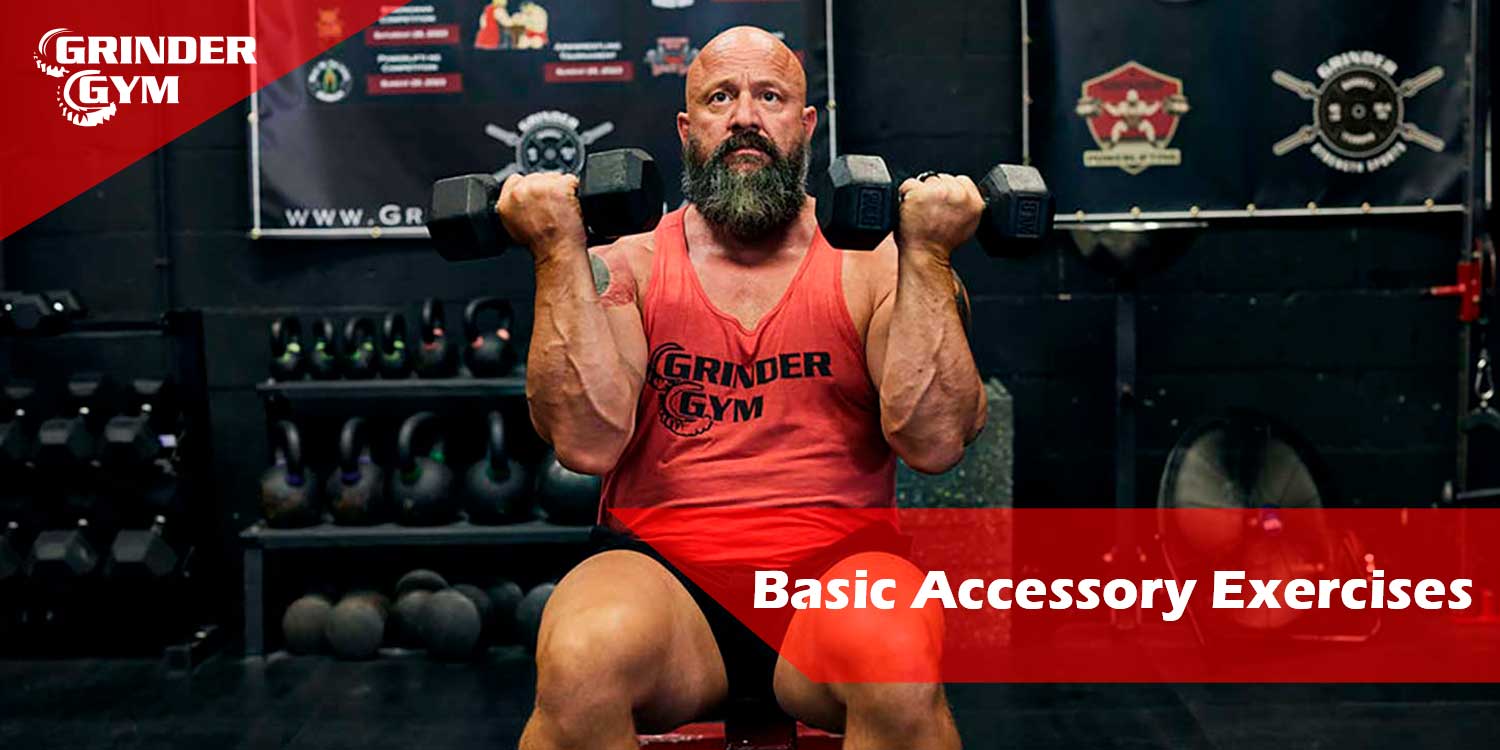
Basic Accessory Exercises
Accessory exercises play a crucial role in a well-rounded strength training program. While the primary focus of your routine should be on the essential compound movements, these accessory exercises help to target specific muscles, improve weaknesses, and add variety to your workouts. In this article, we will explore the basic accessory exercises that complement the…
-

Assessing Your Starting Point
Before diving into a strength training program, it’s essential to assess your starting point. Understanding your current fitness level, setting realistic goals, and acknowledging your limitations will help you design a program that is both effective and sustainable. This article will guide you through the key steps to accurately assess where you’re starting from, ensuring…
-

Strength Training for the Beginner: Debunking the Common Myths
Strength training is a powerful tool for building muscle, shedding fat, and enhancing overall health, but it’s often surrounded by misconceptions that can hold beginners back. Let’s clear the air by debunking some of the most common myths about strength training, so you can start your journey with confidence. Myth 1: Strength Training is Only…
-
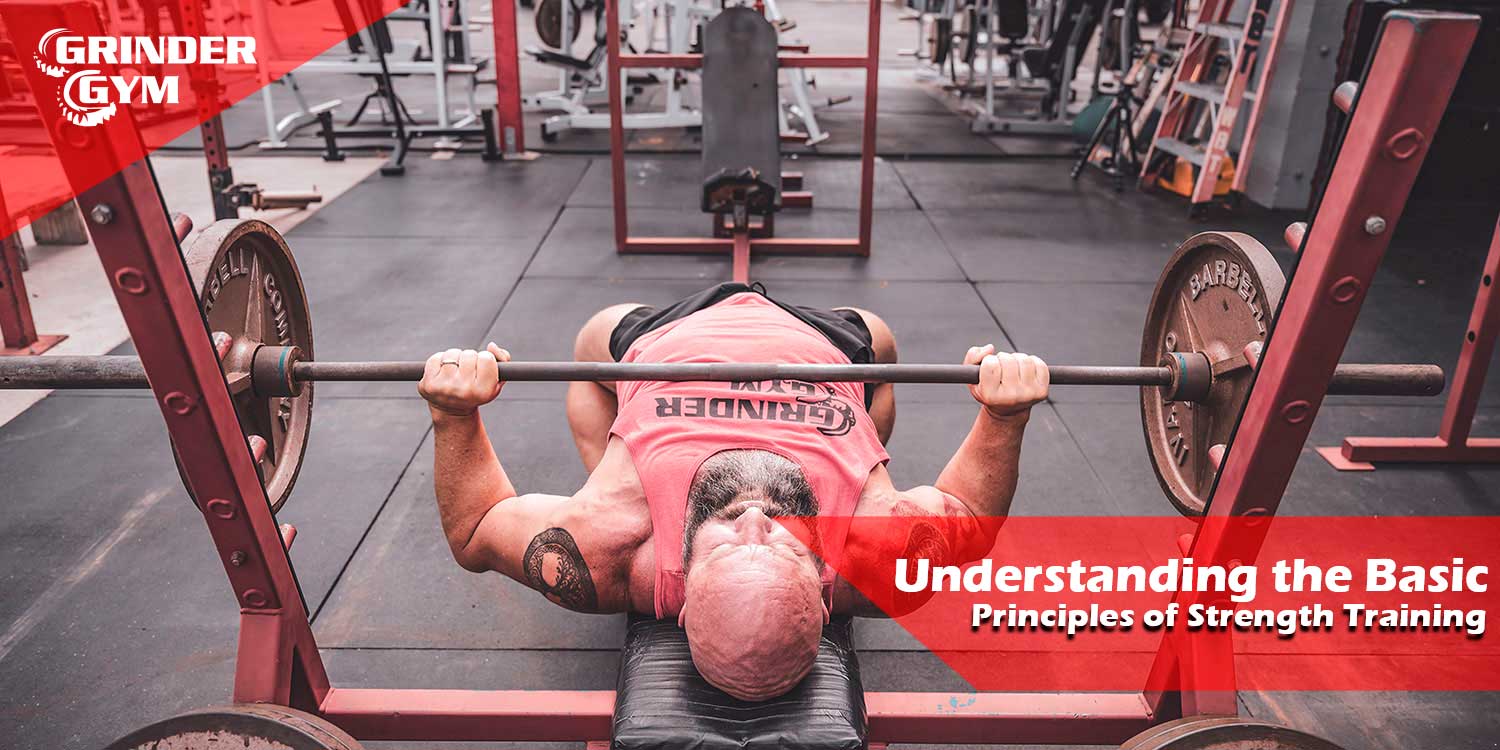
Understanding the Basic Principles of Strength Training
When it comes to strength training, understanding the core principles is crucial for maximizing your results. Whether you’re a beginner or refining your approach, these foundational concepts will guide your journey toward building strength and muscle. 1. Specificity: Train with Purpose Specificity is all about aligning your training with your goals. Are you aiming to…