-
Structuring Strength Training: Assessing the Results and Making Changes
As you progress through your strength training journey, assessing the results of your efforts is crucial for continued growth and success. Knowing when and how to evaluate your progress allows you to make informed adjustments to your program, ensuring that you keep moving towards your goals. This guide will help you understand how to assess…
-
Structuring Strength Training: Tracking Progress for the Beginner
Tracking your progress is one of the most important aspects of a successful strength training program. For beginners, understanding how to measure and monitor improvements can be the difference between achieving your goals and hitting a plateau. This guide will help you develop effective methods for tracking your progress as you embark on your strength…
-
Structuring Strength Training: How to Increase Load and Volume for the Beginner
As you progress in your strength training journey, one of the key factors in continuing to build muscle and strength is learning how to effectively increase load and volume. This guide will help beginners understand the principles behind these concepts and how to apply them safely and effectively. Understanding Load and Volume What is Load?…
-
Structuring Strength Training: Upper/ Lower Splits for the Beginner
An upper/lower split is a popular training method that divides your workout routine into upper-body and lower-body sessions. This approach allows you to focus on specific muscle groups more intensely while still providing adequate recovery time between workouts. For beginners, an upper/lower split can be an effective way to build strength, muscle, and confidence. Why…
-
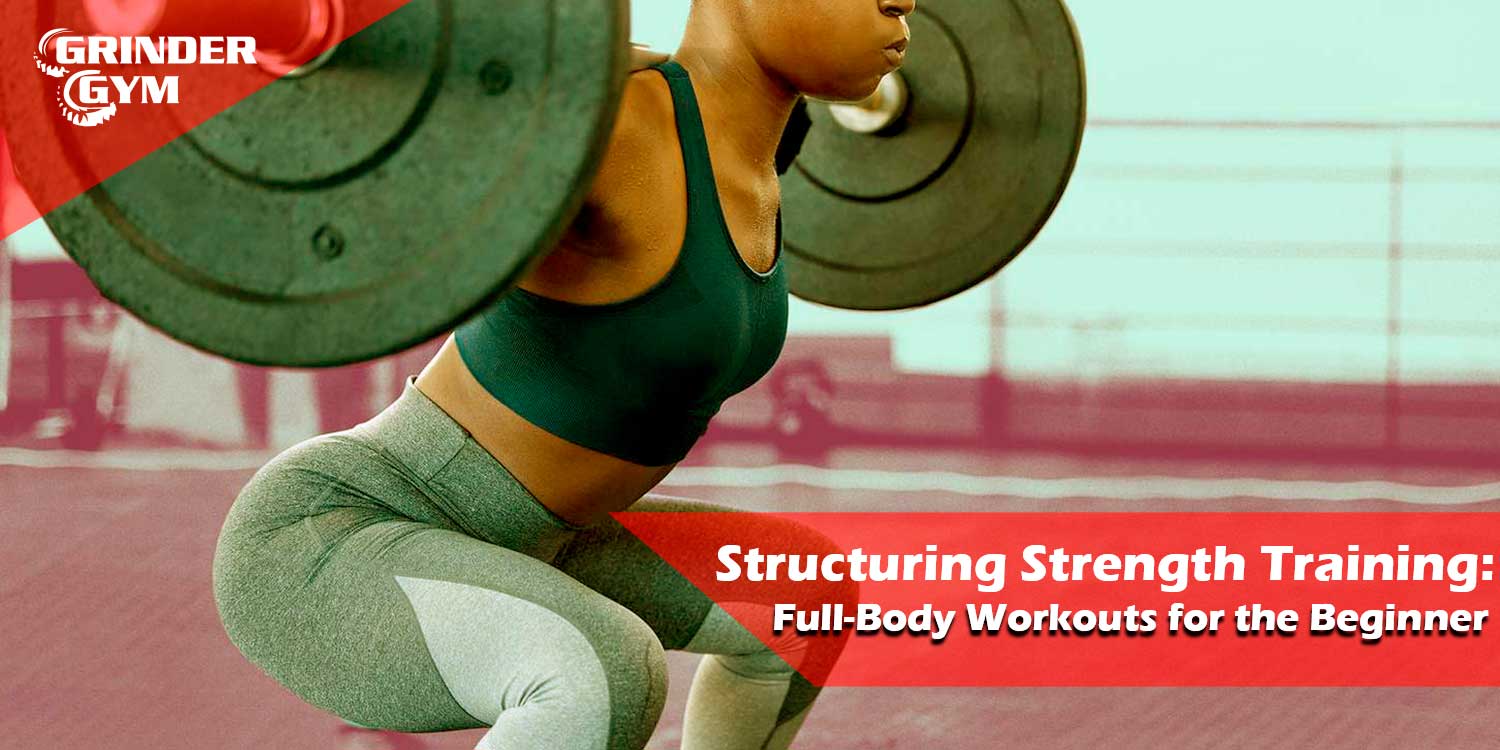
Structuring Strength Training: Full-Body Workouts for the Beginner
Full-body workouts are an excellent starting point for beginners in strength training. They allow you to train all major muscle groups in a single session, providing a balanced approach that builds overall strength and muscle mass. This article will guide you through the structure of a full-body workout, ensuring that you understand how to organize…
-

Understanding the Difference Between Hypertrophy and Strength Training: Tailoring Your Workouts for Success
When it comes to fitness and strength training, it’s essential to have clear goals in mind. Are you aiming to build bigger muscles (hypertrophy), or do you want to get stronger (increase strength)? While these two objectives might seem similar, the strategies to achieve them differ significantly. In this article, we will explore the distinctions…
-

The Role of Specificity in Neural Adaptations During Strength Training
Strength training is a popular and effective way to build muscle, increase overall strength, and enhance physical performance. While the physical changes in muscle size and strength are well-known outcomes of strength training, there’s another crucial aspect that often goes unnoticed: the neural adaptations that occur in response to this type of exercise. Specifically, the…