
Getting into strongman usually starts long before competition day. Most athletes move through a natural progression that builds confidence, skill, and readiness over time. It starts with exposure and gradually turns into structured involvement.
Common starting points include:
- learning the equipment
- attending training sessions
- observing competitions
- building foundational strength
These early steps take the uncertainty out of it and help you understand what strongman events actually demand.
From Spectator to Participant
A lot of athletes begin by watching events or spending time in training environments before they ever step onto the competition floor. A typical progression looks like this:
- spectating at events
- training with the implements
- attending workshops or practice days
- entering a first novice competition
Building Foundational Strength
Strongman rewards broad, practical strength, not specialization in a single lift. Your preparation usually focuses on:
- basic pressing strength
- deadlift variations
- carries and loading patterns
- core stability and upper-back strength
Building these fundamentals first makes the move into event-specific training far smoother.
Learning the Equipment
Strongman implements behave nothing like traditional gym equipment. You benefit from time spent learning:
- log and axle mechanics
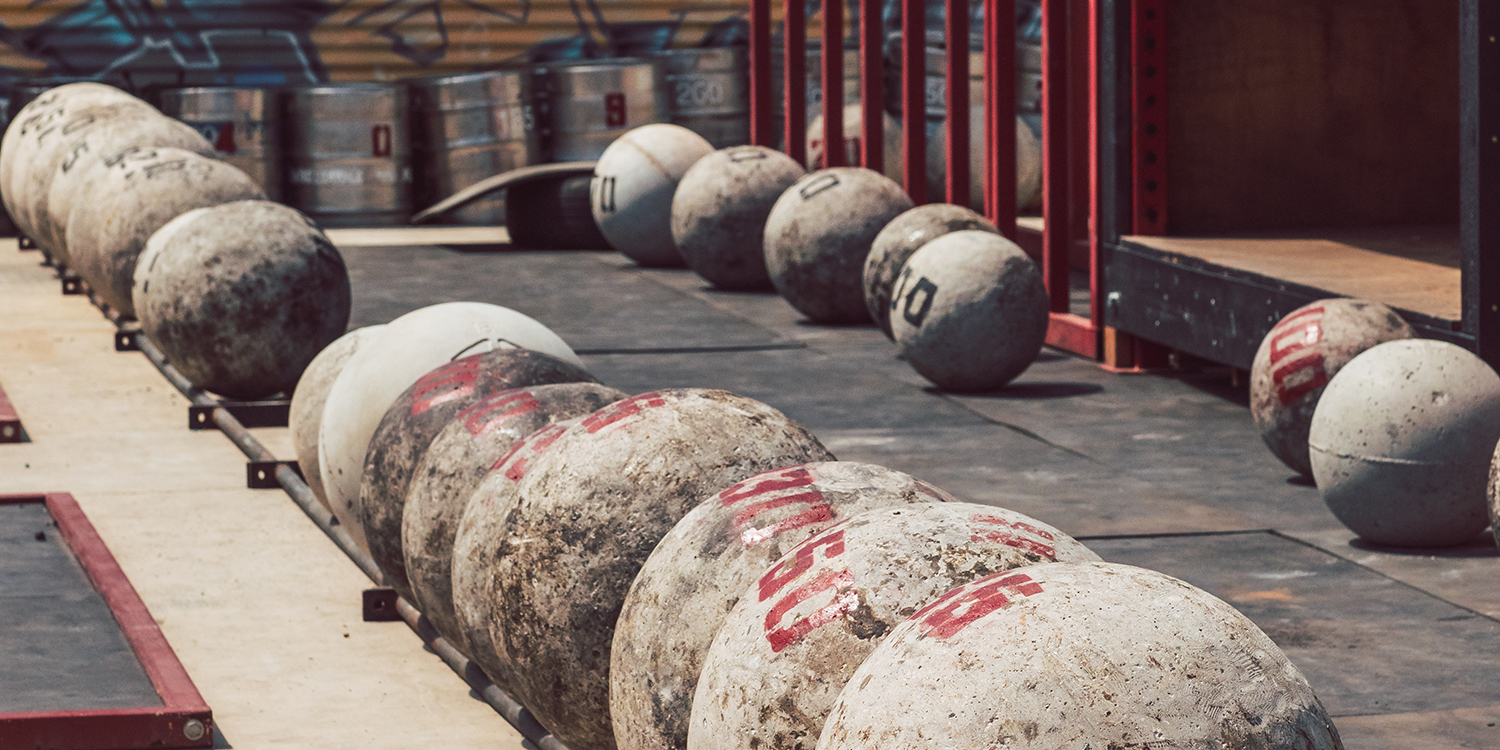
- atlas stone and sandbag loading
- yoke balance and movement
- farmer’s carry grip demands
Understanding how these implements move and feel builds confidence and cuts your injury risk.
Attending Training Sessions and Practice Events
Practice environments give you a low-pressure place to experience the sport. These might include:
- event training days
- beginner workshops
- group strongman sessions
- open practice opportunities
Getting your hands on real equipment with real coaching prepares you mentally as much as physically.
Progressing Toward Competition
As your experience builds, you naturally start progressing toward competition. That can involve:
- entering a novice division
- setting personal performance goals
- training around event timelines
- developing your pacing and strategy
Strongman events are built to be accessible. You do not need years of experience to start competing.
Creating an Accessible Path Into the Sport
Strongman gives you multiple entry points, so you can move at your own pace. You might:
- train recreationally
- attend workshops only
- volunteer at events
- compete occasionally or regularly
Participation is not limited to competition. The sport offers room for learning, involvement, and community at every level.
Tactical Strongman
A field guide to training the classic strongman events with structure and intent.
View on AmazonAs an Amazon Associate I earn from qualifying purchases.